
Section
Optics & Illumination
Lenses, burners, characteristics and the science of how far a light reaches.
6 entries · newest first below
All Entries
- September 14, 2026Luminous vs. Geographic Range: Why a 27-Mile Light Is Not Always 27 MilesOptics & Illumination
- August 31, 2026Why Lighthouse Lenses Turn: Clockwork, Chariot Wheels and the Mercury PedestalOptics & Illumination
- August 24, 2026From Whale Oil to Electricity: The Long Conversion of the Lighthouse LampOptics & Illumination
- August 17, 2026Why Some Beams Are Red or Green: Sector and Leading LightsOptics & Illumination
- August 17, 2026Fresnel Lens Orders Explained: From First-Order Giants to Sixth-Order Harbor LightsOptics & Illumination
- August 10, 2026How a Fresnel Lens Works: Concentric Prisms Around a Single FlameOptics & Illumination
More in Optics & Illumination
Optics & Illumination
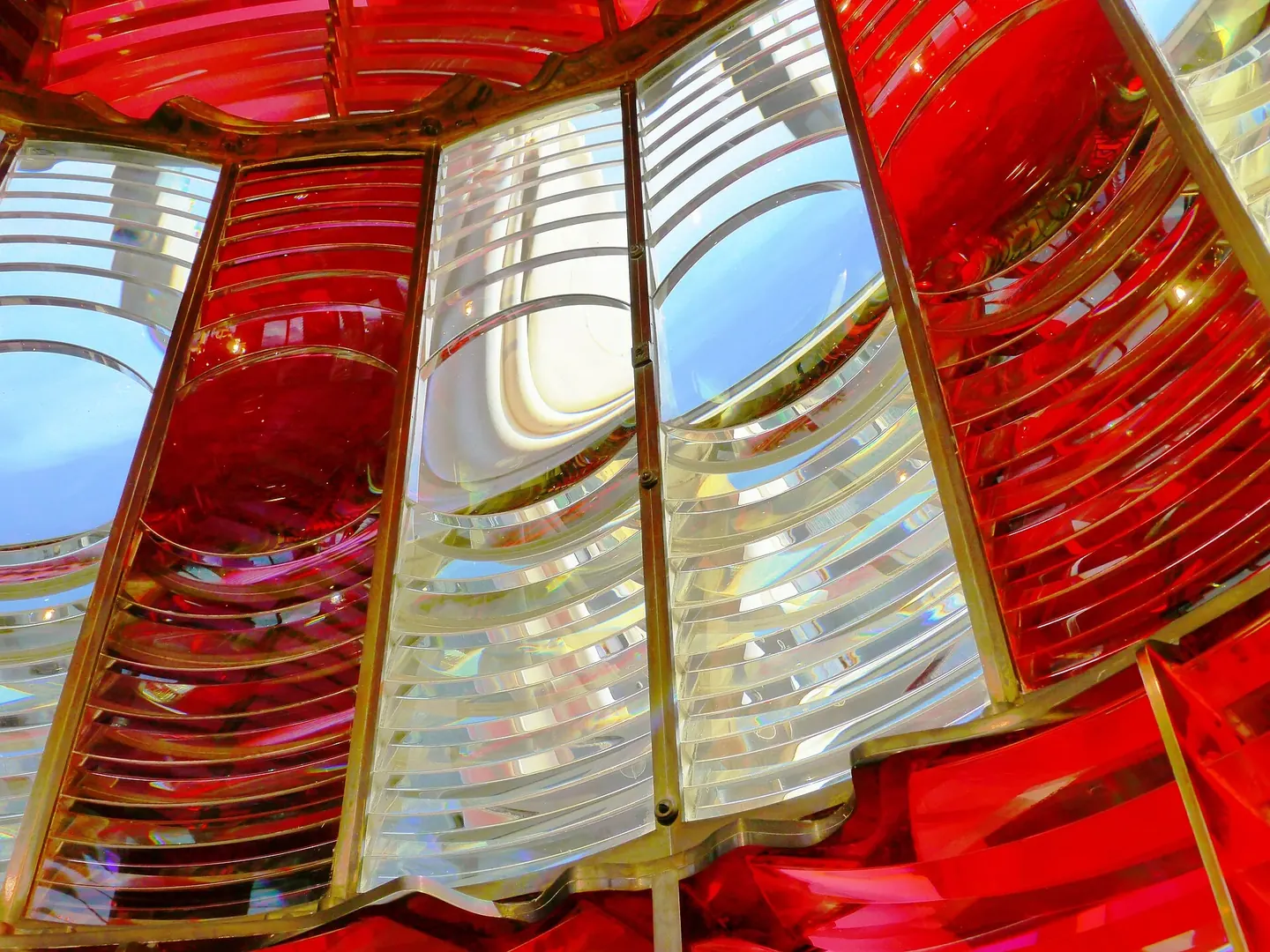
Why Lighthouse Lenses Turn: Clockwork, Chariot Wheels and the Mercury Pedestal
Rollers, bearings and mercury flotation addressed support and friction. Keep those functions separate from the…
Optics & Illumination
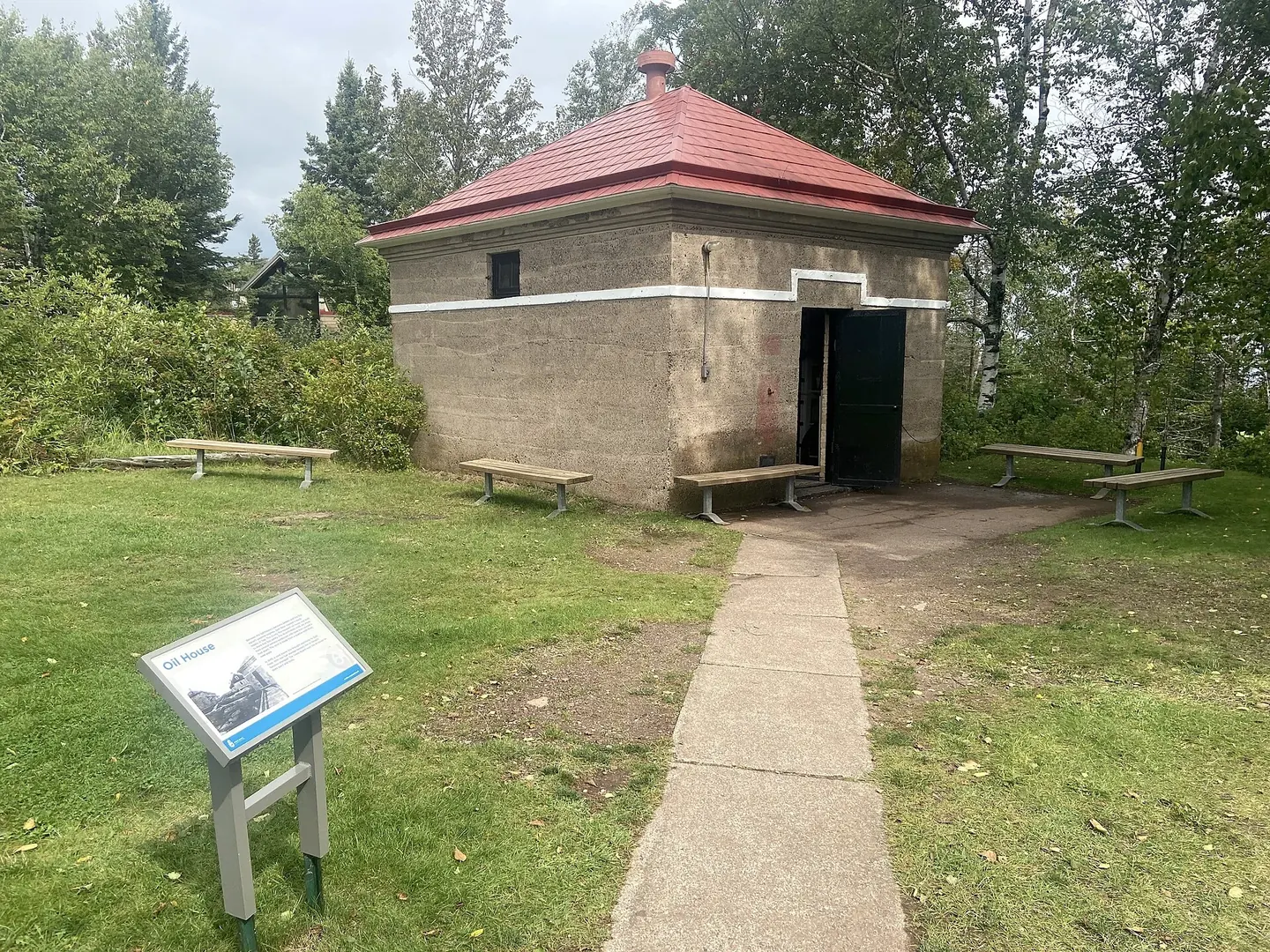
From Whale Oil to Electricity: The Long Conversion of the Lighthouse Lamp
American procurement and Boston’s equipment history show why fuel, burner, electrical supply and automation ne…
Optics & Illumination
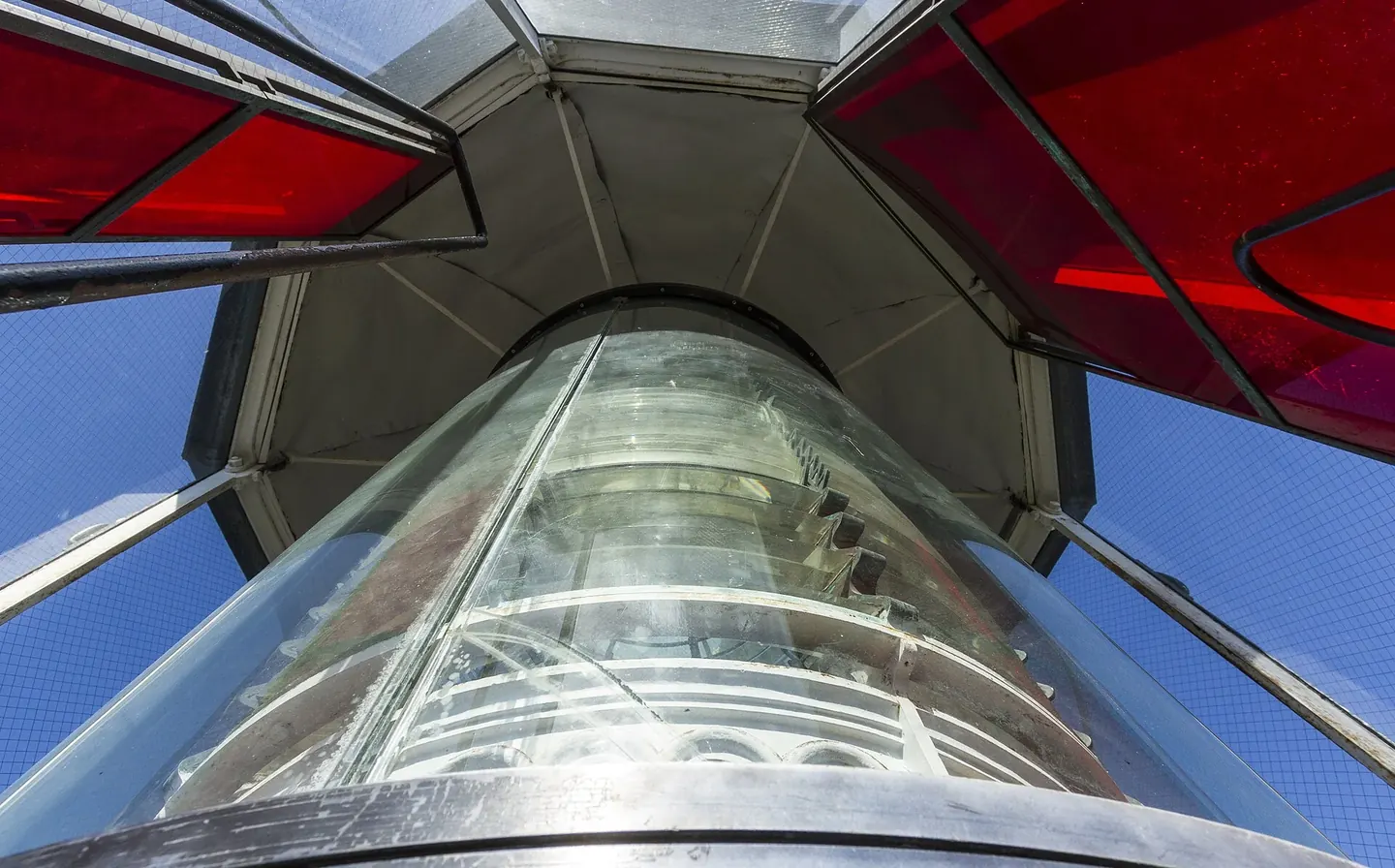
Why Some Beams Are Red or Green: Sector and Leading Lights
The Needles shows why sector colors need their charted context. Bearing, distance and lateral buoy rules answe…
Optics & Illumination
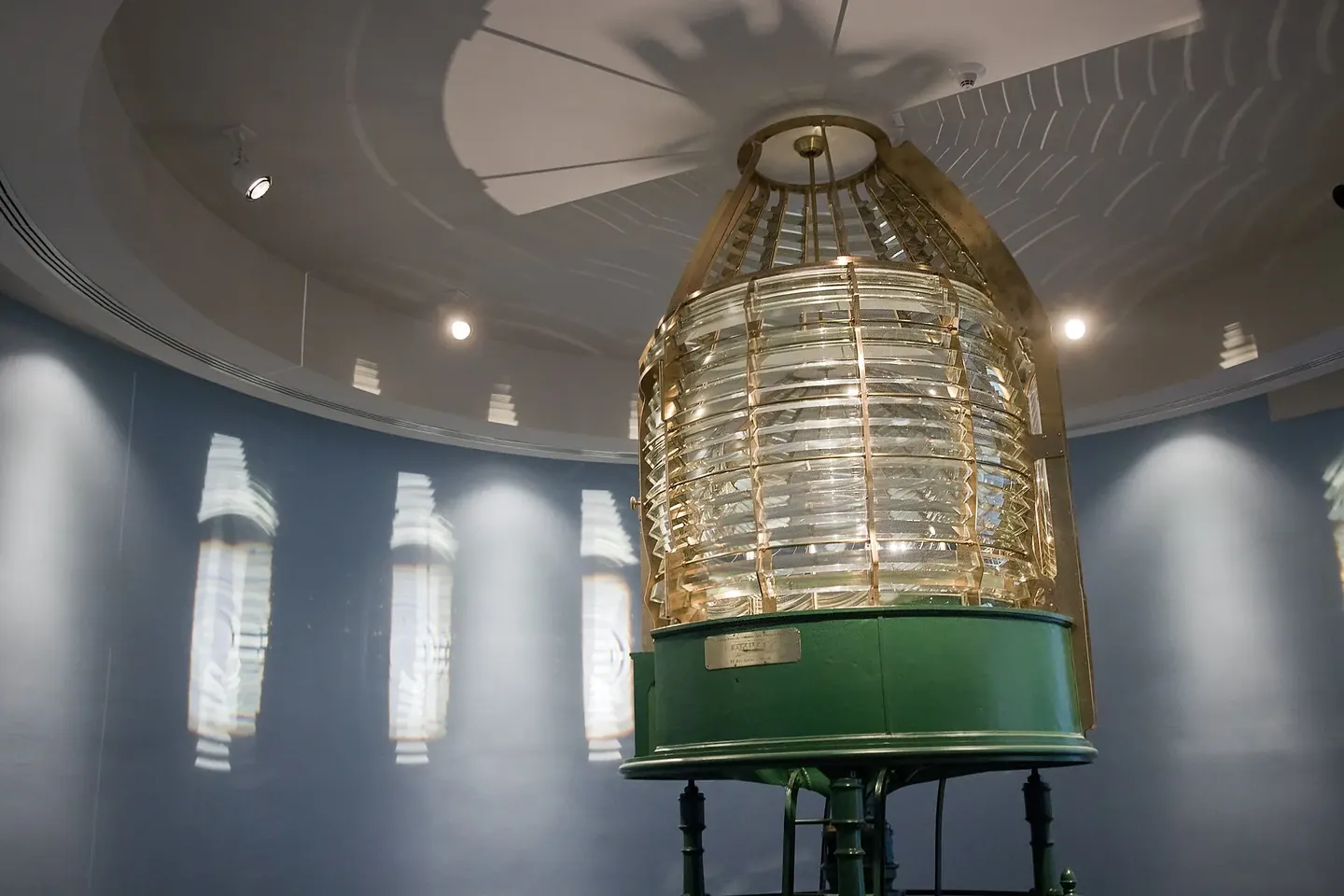
Fresnel Lens Orders Explained: From First-Order Giants to Sixth-Order Harbor Lights
Fresnel orders classify focal distance, not brightness or importance. Point Loma shows why a planned order and…
Optics & Illumination
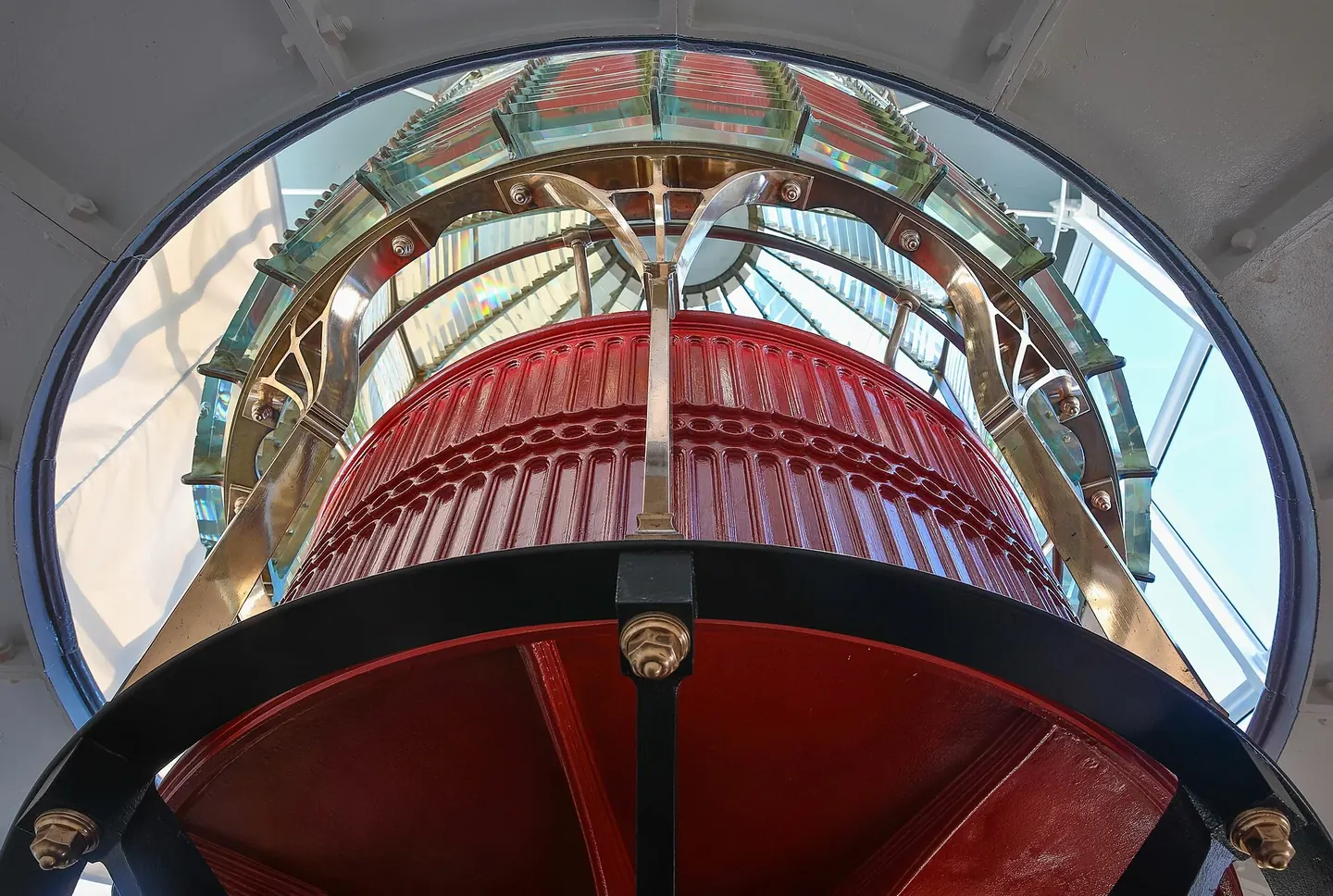
How a Fresnel Lens Works: Concentric Prisms Around a Single Flame
Follow how optical surfaces redirect a lamp’s light, then compare fixed and revolving arrangements without con…