Every national lighthouse story needs a starting point, and in the United States that point is a granite-outcropped islet called Little Brewster, guarding the passage into Boston Harbor. Boston Light was not the tallest, brightest or most technically ambitious tower of its era, but it was first — and extensive official histories and keeper records survive. That makes it possible to tell the station's history almost entirely from official records rather than from the legend that has grown around it.
Candles, rubblestone and the first keepers
The structure that rose on Little Brewster in 1716 was a circular, slightly tapered tower of mortared rubblestone about 60 feet high, lit by candles and, likely, simple oil lamps. Around it went a keeper's house, a barn and a wharf. The light was first shown on the evening of 16 September 1716, with George Worthylake serving as the station's first keeper.
War, destruction and the second tower
The Revolution destroyed the original tower. British forces occupied the station from 1774; in July 1775 colonial troops burned its wooden components, repeated the attack as the British tried to repair it, and in June 1776, as the last British troops evacuated Boston, they detonated the tower itself. The ruin sat for seven years.
Massachusetts rebuilt the lighthouse in 1783 — a similar rubblestone design, this time 75 feet tall, lit by four fish-oil lamps. In 1790 the new federal government took over the station as one of the original lights transferred under the first Lighthouse Act. The 1783 tower is the structure that stands today; when people call Boston Light "the first lighthouse in the United States," they mean the station, not the masonry.
The Lighthouse Board years
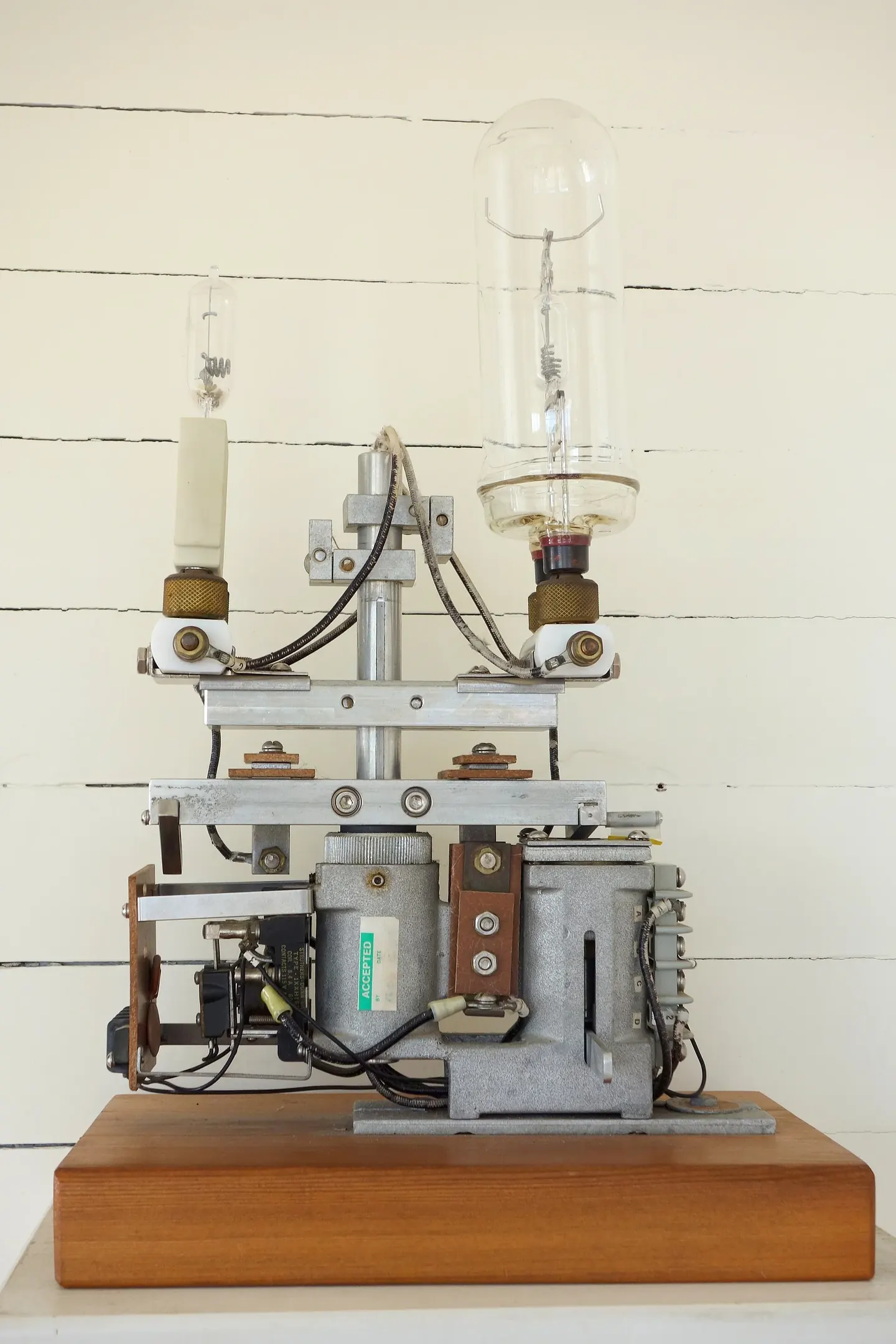
The station's most consequential refit came under the U.S. Lighthouse Board, the technical body created in 1852 after a scathing congressional review of the old Treasury administration. In 1859 Boston Light received a second-order revolving Fresnel lens — the single most important optical technology of the nineteenth century — and to house it the tower was raised to its present 89 feet, its interior lined with brick, and a brick entry added. The cast-iron stairs date to an earlier improvement in 1844, according to the National Park Service. The revolving machinery turned the apparatus by clockwork; keepers wound the weights by hand every four hours until the drive was electrified in 1948.
The last keeper
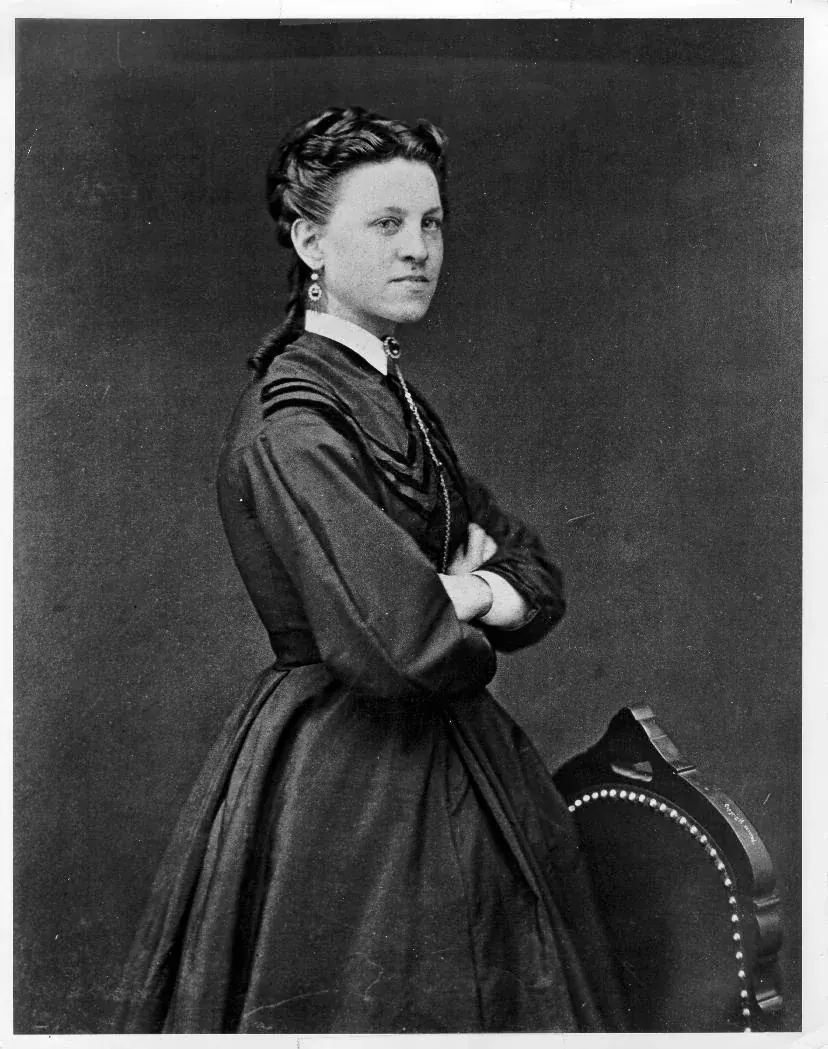
Boston Light was the last lighthouse in the United States to be automated, in 1998. Even then the station did not lose its keeper immediately: in 2003 the Coast Guard appointed Sally Snowman as caretaker-keeper, the station's seventieth keeper and its first woman in the role. She lived on the island through the warmer months, maintained the equipment and grounds, and guided visitors — a documented, twenty-year tenure that ended with her retirement on 31 December 2023. Her departure closed three centuries of keeper history at the station, a span covered from the keeper's side in our piece on a keeper's daily routine and in the broader story of automation and the last keepers.
Read the station as a sequence of different objects
A useful Boston Light timeline distinguishes the 1716 station, the destroyed first tower, the 1783 replacement and the later lens and stair installations. The cast-iron stairs date to 1844, while the second-order Fresnel installation dates to 1859. Giving every feature the age of the station would make an old place appear to preserve far more original fabric than it does.
The distinction also prevents misleading comparisons with Sandy Hook's surviving tower. The age of a site and the age of its standing masonry are different measures. State the measure before using “first” or “oldest,” and retain the documented interruption during the Revolutionary period rather than converting a long history into uninterrupted operation.
Follow one change through the working system
Electrification did not initially remove every climb. The NPS account explains that the rotating drive became electric while keepers still switched equipment at sunset and sunrise. Automation later changed that arrangement. Following the task through successive equipment changes provides a clearer explanation than treating electric power and automatic operation as synonyms.
The fog-signal buildings and other surviving structures offer another route through the site. They record functions beyond the visible beam. A photograph centered only on the white tower can miss the support buildings, while a plan can show their spatial relationship without proving every present-day use.
Historical access is not today's access
The NPS page checked in October 2026 says Boston Light and Little Brewster Island are not accessible to the public because of safety and access issues. Its account of public opening in 1999 is a historical event, not a current landing invitation. Anyone planning a visit should use the park's present arrangements rather than infer access from an older keeper biography or tour photograph.
The institutional histories below provide an entry into the record. They are not evidence that this article has examined every original act, inspection book or keeper letter. Separating those evidence levels lets a reader appreciate a well-documented station while recognizing which questions still require archival work.