A keeper's working day depended on the apparatus, staffing and instructions at that station. An oil lamp, rotating clockwork and steam fog signal created different tasks from an electrically powered automatic light. Rather than invent one universal timetable, compare three kinds of evidence: the rulebook, the station's equipment history and the entries showing what people actually did.
Instructions described an expected service
A published presentation of the 1927 U.S. Lighthouse Service instructions describes exhibiting lights from sunset to sunrise and preparing equipment for relighting. It distinguishes stations with assistants from one-keeper arrangements. Those distinctions matter: a rule assigning watches among several employees cannot be pasted unchanged into the life of a lone keeper.
The instruction is also not proof of perfect compliance. A historical log can record a fault, an interruption or a departure from the expected routine. Read the rule and the observed event together instead of smoothing the record into an ideal day that never went wrong.
Lighting required work before the moment of ignition
At a fuel-burning station, readiness involved the lamp, its fuel and the optic around it. Where the signal depended on rotating machinery, the drive also had to operate. A light could burn while the required rhythm failed, so tending the flame alone did not establish that the full published character was being shown.
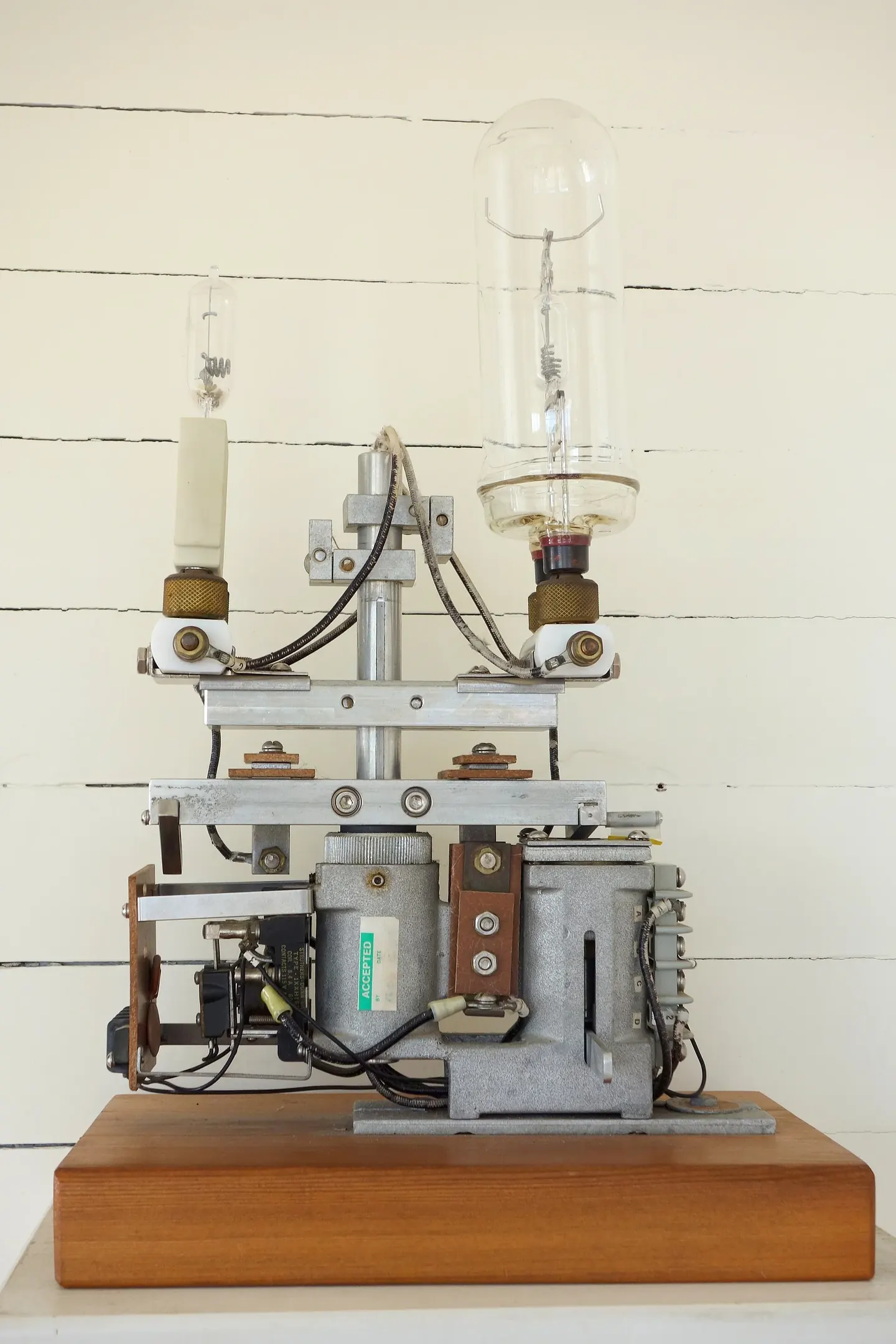
Boston's NPS history supplies a precise equipment example: keepers wound its rotating drive every four hours until electrification in 1948. After that, they still switched the light and rotating machinery at sunset and sunrise until later automation changed the arrangement. Four hours is therefore a dated Boston fact, not the winding interval of every lighthouse.
Watches divided responsibility
At Split Rock, the Minnesota Historical Society describes keeper and assistant watches, weather monitoring and operation of the fog signal in reduced visibility. Those were tasks at a particular station under its operating arrangements. They should not become an unsupported claim that every keeper everywhere followed identical shift times.
A useful hypothetical roster names the person on duty, the period covered and the apparatus requiring attention. Add relief, leave and unexpected absence separately. The roster can then explain coverage without silently assigning official responsibilities to any family member present in the dwelling.
The morning round prepared the next service period
The end of the night did not mean the end of station work. Historic accounts describe cleaning, replenishing supplies and preparing machinery. The exact methods belonged to the equipment and period. A nineteenth-century cleaning instruction is historical evidence, not present-day permission to apply the same substance or abrasive to a museum lens.
Keep routine care separate from major repairs. A keeper might record a defect and perform authorized minor work while other repairs required specialist staff or a contract. Describing every keeper as a complete engineering crew overstates the role and hides the wider maintenance organization.
Paperwork made a working day traceable
Inventories, requisitions, expense records and logs served different purposes. The published 1927 account lists several of these reporting duties. An inventory tells us what was recorded as present, while a requisition asks for something; neither alone proves a later installation or the resolution of a fault.
At the Flannan Isles, the distinction between entries in the log and information left on a slate is important to the official chronology. The superintendent interpreted the state of the prepared lamp and completed work alongside those records. That is evidence from a specific event, not a template for writing fictional routine scenes.
Different clocks belong in the same account
A working schedule can follow sunset, a mechanical winding interval or a reporting deadline. These clocks need not coincide with a fixed office day. Keep the trigger attached to the task: a weather-related signal duty is not the same as a check scheduled at a particular hour. That distinction explains how apparently repetitive work could change with season and conditions without requiring an invented dramatic incident.
Reconstruct a day without filling the gaps
Choose one station and a narrow date range. List the equipment then in use, the instruction governing its operation and the surviving entries. Mark a scheduled task separately from a task recorded as completed. Where an hour or person's name is absent, leave the entry uncertain rather than manufacture a precise timetable.
For example, a fictional twelve-hour night can help illustrate why repeated checks create work between lighting and extinguishing. Label it as a teaching example and do not attach it to a named keeper. To describe that person's actual night, a dated log or other contemporary evidence is needed.
The resulting picture is less uniform but more informative. The lamp, rotation, fog signal, buildings and records formed related responsibilities, shared differently across sites and periods. Follow pay and supplies for the employment framework and automation for later changes. The daily routine belongs between those two histories: a sequence of specific duties supported by equipment, instructions and people.