The sperm-oil standard
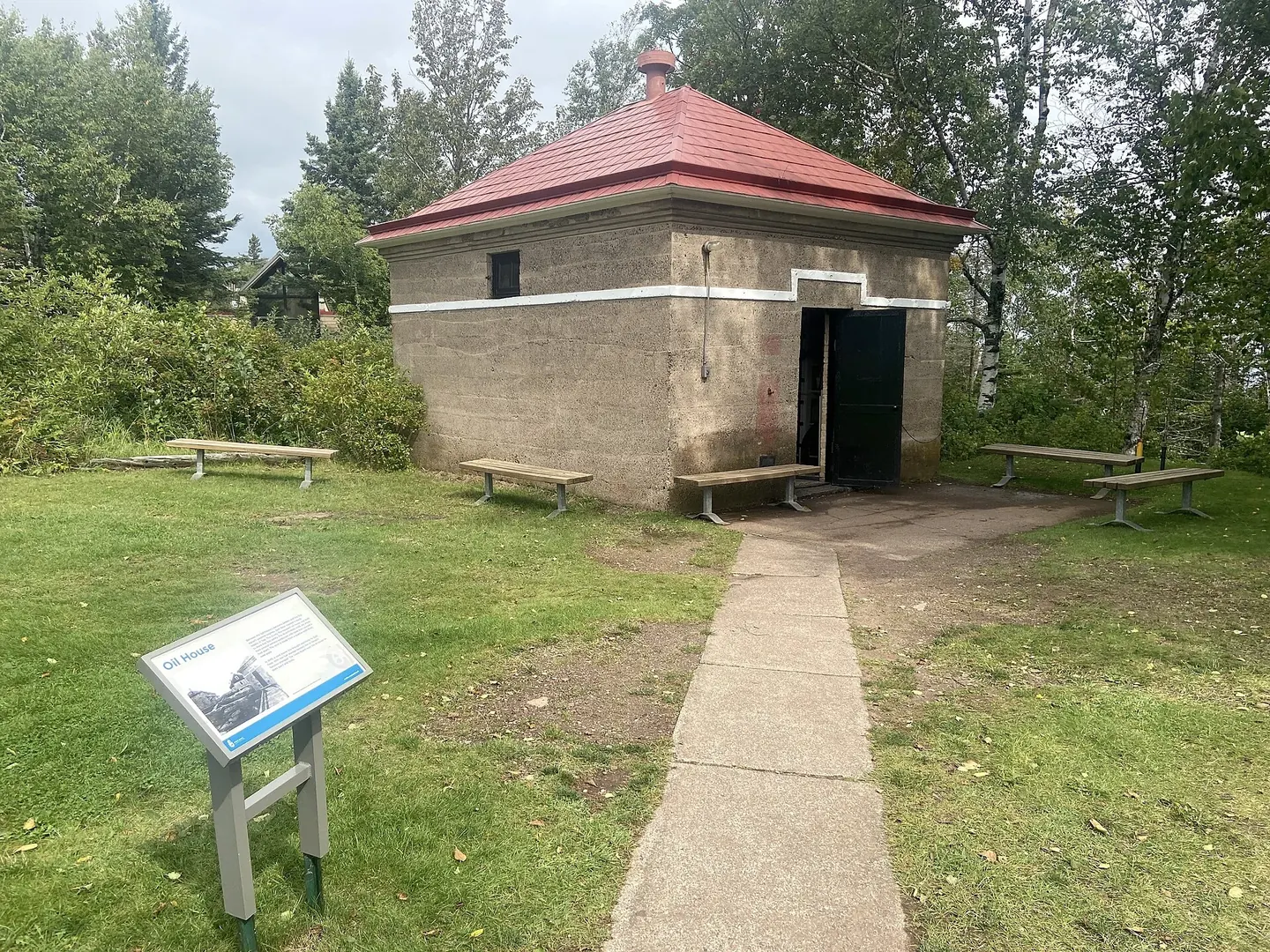
For many years the lamps in American lighthouses burned whale oil — and specifically sperm oil, the fine waxy fuel from the head of the sperm whale. The National Park Service's history of the Point Loma light records the price arc that broke the system: in the early 1840s sperm oil cost 55 cents a gallon, a satisfactorily cheap illuminant. Then supply tightened and industrial demand rose, and by 1854 sperm oil brought $1.38 a gallon. A lighthouse service buying oil by the thousands of gallons could absorb a lot of hard winter weather, but not a two-and-a-half-fold price rise. The search for a substitute began at once, and it is worth noting how the old fuel was bought: all oil was purchased under a single central contract with exacting specifications, and only sperm oil was used. Purveyors' tales about local substitutes were just that — tales.
Colza and lard: the substitution decades
The Lighthouse Board turned first to colza — rapeseed oil — then widely burned in French lights. In 1852 Lieutenant Washington A. Bartlett, contracted to purchase lenses for the planned Pacific coast lighthouses, gathered information on French colza practice while in France; subsequent board tests found colza as good as sperm oil at half the price. The United States bought 5,000 gallons in 1861 and 12,000 in 1862. There was a catch, though: American farmers declined to grow enough rapeseed to feed the service, and the domestic supply never materialized.
Lard oil had been tried and dismissed by earlier experimenters; the board's Committee on Experiments, chaired by the Smithsonian Institution's Joseph Henry, found the fault was in the combustion rate, not the fuel. Henry personally conducted new tests, reported lard oil highly satisfactory in the Fresnel apparatus — and, notably, found it yielded more light than sperm oil. By 1867 lard oil had supplanted sperm oil as the principal illuminant in American lighthouses, with colza continuing in smaller lamps.
Vapor under pressure: the last oil lamps
Kerosene's final form was not a wick at all. The incandescent oil vapor lamp, which vaporized petroleum under pressure and burned it against a mantle, multiplied candlepower per gallon and became the peak of oil illumination. Boston Light received an incandescent oil vapor lamp in 1913, and thousands of less famous stations ran on IOV burners deep into the twentieth century. These were demanding devices — keepers preheated, pressurized and trimmed them nightly — and they defined the last generation of truly oil-fired keeping, a craft our piece on a keeper's daily routine describes shift by shift.
Fuel transitions were not one worldwide timetable
The procurement figures above describe the American history in the NPS study. They do not identify the fuel at every station in every listed year. A service could use a principal fuel while smaller lamps or particular installations retained another. Distinguish a purchase total from a confirmed station delivery.
Boston supplies a separate sequence: an incandescent oil-vapor lamp in 1913, electrification in 1948 and an underwater supply cable in 1957. The cable changed the supply arrangement after the light was already electric. It did not mark the first use of electricity at that station.
Follow the consumable and the apparatus together
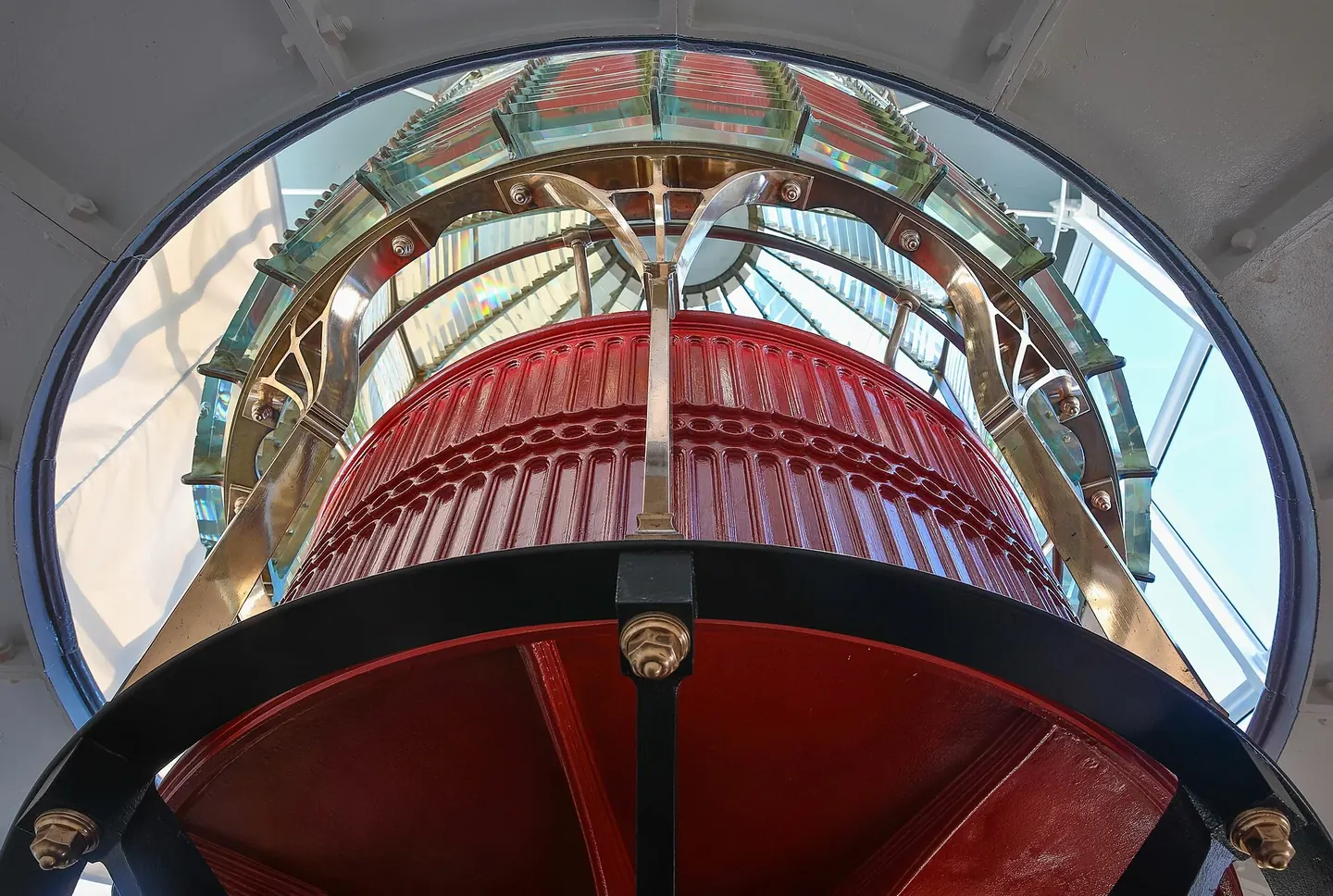
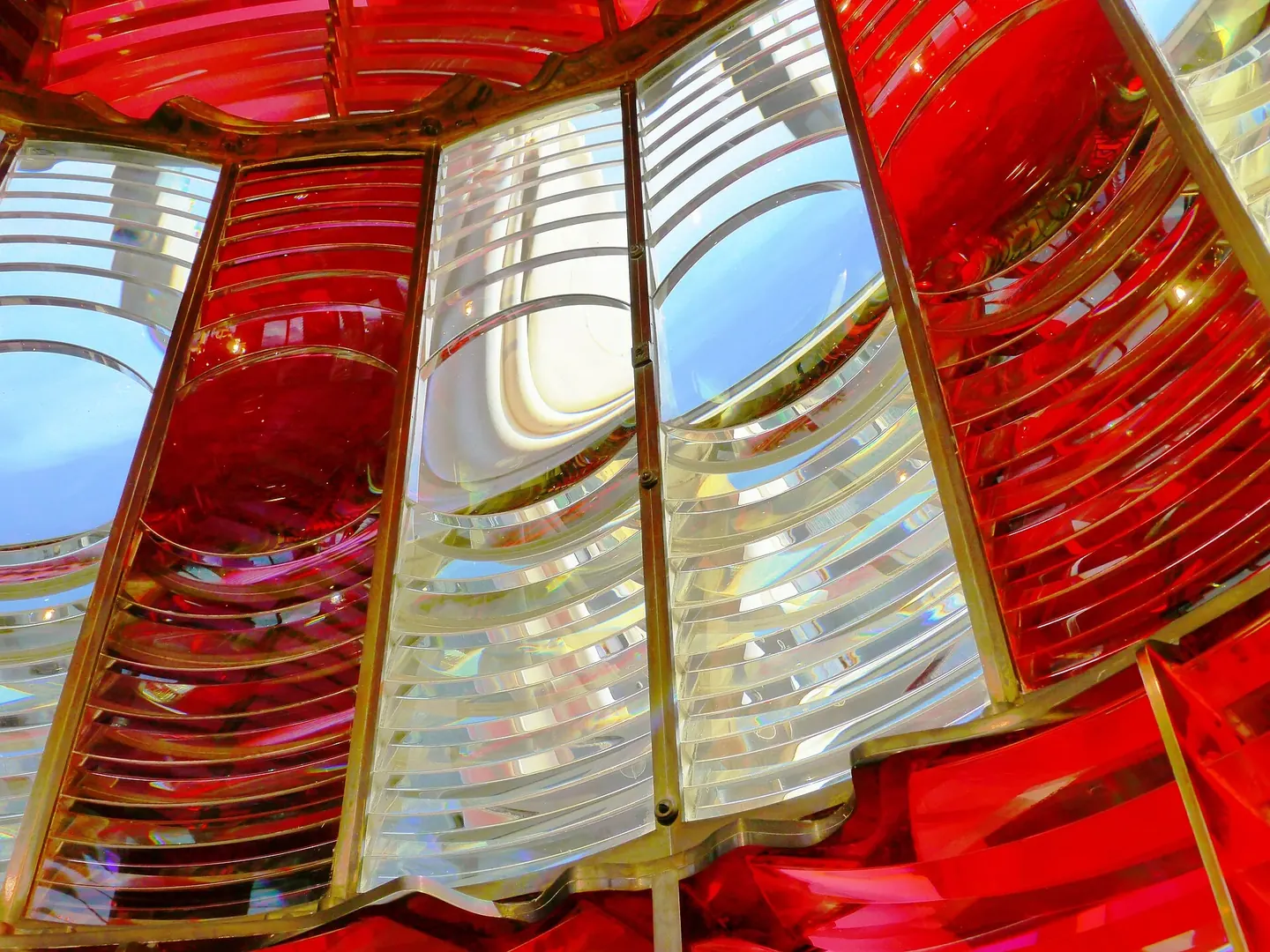
A change of fuel may require a different burner or a different handling system. It should not be described as pouring a cheaper liquid into an unchanged lamp. To establish what happened, compare the apparatus inventory, the purchase record and the dated installation account.
For a hypothetical economic comparison, list fuel price, quantity consumed, transport and the equipment needed to use it. A lower price per gallon does not establish lower total operating cost if quantities and maintenance differ. Nor does a brighter beam establish greater efficiency without comparable input and measurement conditions.
Electricity changed the supply chain, not the need for one
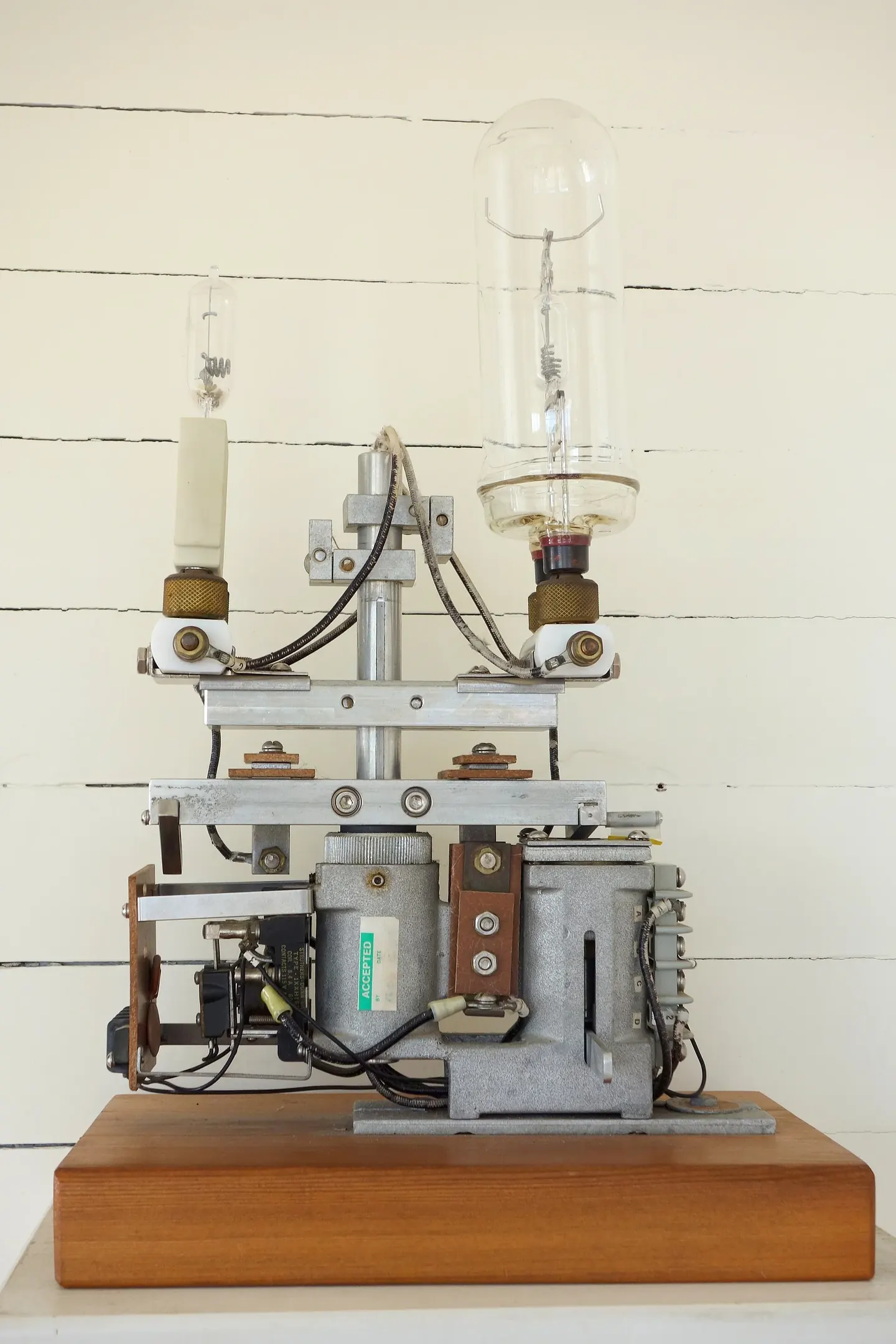
An electric generator requires its own fuel, spares and scheduled maintenance; a shore cable requires a connection and backup arrangements. Electric lighting can remove wick and oil-lamp tasks while leaving other equipment duties. The later automation decision is separate from the arrival of power.
Describing electric lighting solely as current and replacement bulbs conceals that wider system. A useful history follows the lamp, drive, power source and visiting service together. For the changing human duties, see the keeper's routine; for the modern station arrangement, see LED modernization.