What preservation actually costs
Occasionally the cost is not a repair bill at all but an engineering campaign in its own right. The clearest American example remains the 1999 relocation of Cape Hatteras Light, in which the entire 198-foot tower was moved inland on tracks to outrun shoreline erosion — a project whose planning, engineering and execution consumed years and its own dedicated budget. The general lesson holds at every scale: the rarer and more exposed the structure, the more its survival depends on someone arranging financing deliberately rather than opportunistically.
Acquisition is only the first budget line
The National Historic Lighthouse Preservation Act of 2000 can make an eligible historic station available at no cost to a qualified public or nonprofit recipient. That changes the cost of acquiring the property; it does not create a restoration budget. Applicants must show that they can care for the site. The notice, application, review and auction stages are explained separately in what happens to decommissioned lighthouses. Here the important distinction is between obtaining title and financing the work that follows.
A practical budget can distinguish the initial condition survey and urgent repairs from recurring operating costs. It should also consider access, inspections and a reserve for unexpected damage. These are planning categories rather than a universal cost schedule: the conservation plan and the property's actual condition determine what belongs in each category. A keeper's house reached by road and a tower reached by boat will need different assumptions about labor, transport and closure days.
What the ledger says
Auction totals describe money paid to acquire property, not money subsequently spent preserving it. They should not be read as a restoration grant fund or as a measure of every owner's investment. A no-cost conveyance and a cash auction can both leave a recipient facing substantial work. The published transfer figures establish the scale of the ownership programme; the new steward still needs to establish how its own repairs and ongoing care will be paid for.
Campaigns beyond the pipeline
Recurring income answers a different question from a one-time relocation campaign. At Rose Island, visits, memberships and overnight programmes support the trust's work. Similar heritage stays connect public interest with the cost of operating a historic property. A budget should distinguish gross receipts from the cost of hosting visitors: maintaining accommodation, providing access and caring for the historic fabric can draw on the same staff and funds. Visitor income is therefore a funding source to assess, rather than a guarantee that a remote station pays for itself.
What the money buys
The useful funding question is whether a steward can pay for the next inspection, the next repair and the years between major campaigns. A complete plan identifies which activities generate income, which repairs need restricted donations or other project funding, and what happens when bad weather reduces access. The transfer programme changes who is responsible for the property. Preservation depends on a continuing match between the work required and the resources available to carry it out.
Build a small budget without inventing a project price
Consider a hypothetical station with a building repair campaign and a seasonal visitor program. Put the repair survey, approved works and project access costs in one group. Put recurring inspections, utilities, insurance and visitor operations in another. List restricted gifts separately from money available for ordinary running costs. These are planning headings, not estimates for a real property.
Now remove several visiting days because transport cannot operate. Ticket receipts may fall while fixed costs remain. A budget that counts gross visitor income as money available for masonry would hide both the hosting costs and the effect of canceled access. Model the dependency before promising that tourism will finance the next repair.
Four figures that should never be added casually
An acquisition price buys an interest in property. A fundraising target expresses an ambition. A pledged donation is not necessarily cash received. A paid invoice records an expenditure. They belong to different stages and can overlap, so adding them can double-count resources or turn an aspiration into a completed investment.
GSA's archived July 2025 announcement reported approximately ten million dollars in auction proceeds across its program. That measures sales, not preservation spending by later owners. The aggregate cannot supply the budget for a particular station, and it should not be presented as a pot of grants available to applicants.
Assign the next cost to an owner and a trigger
A maintenance plan becomes more useful when each task has a responsible party, an evidence source and a review trigger. A condition survey may identify work needing specialist attention; an operational light may remain another authority's responsibility. The property agreement and conservation plan determine those boundaries.
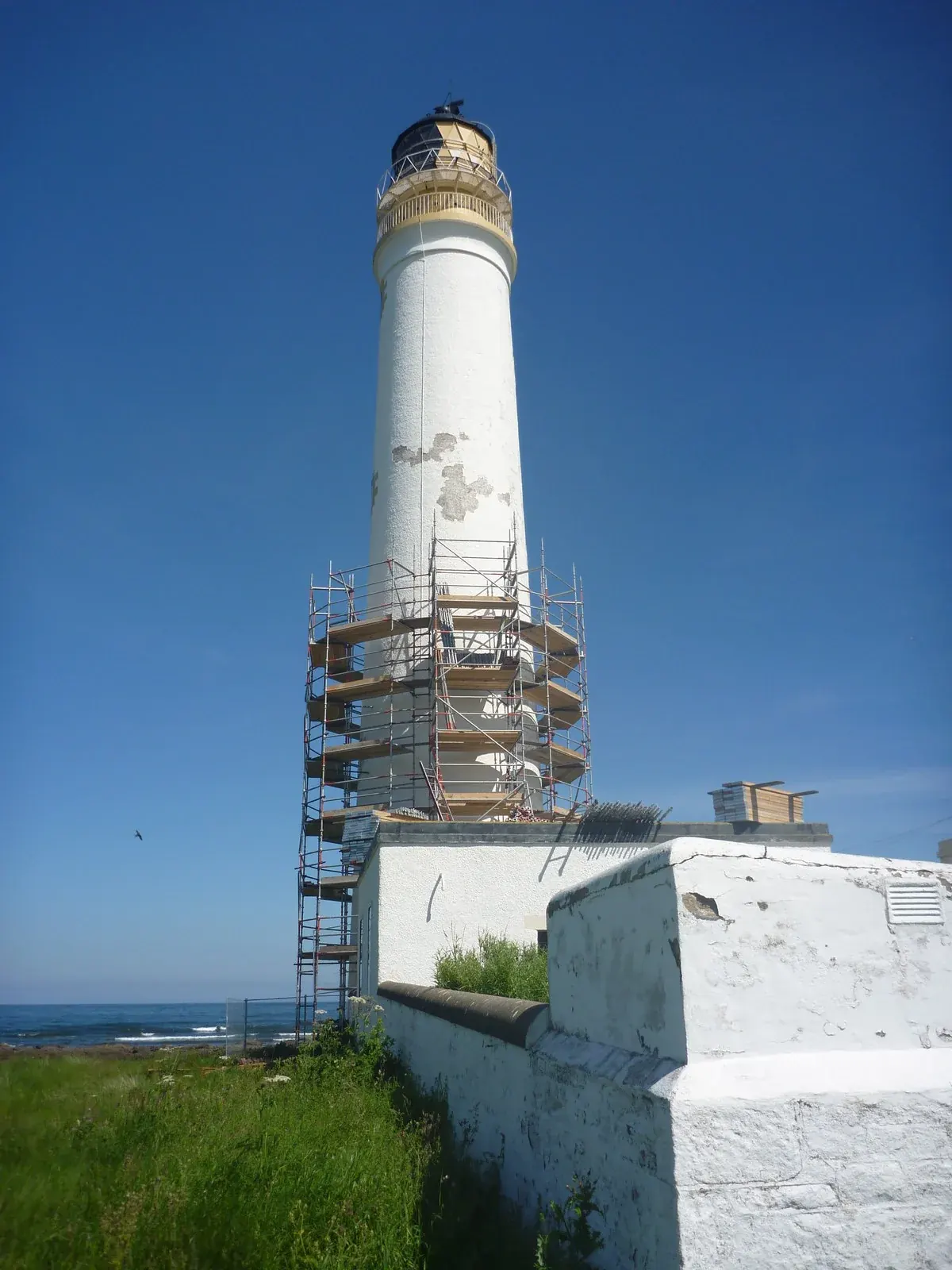
For a funding appeal, explain the proposed output precisely: survey, stabilization, completed repair or reopened space. A photograph of scaffolding demonstrates activity, not necessarily completion. Report an expected date as an estimate until the work is accepted, and distinguish later operating needs from the capital campaign.
None of this requires a universal annual cost per lighthouse. The relevant figure comes from the actual site, scope and access conditions. A credible small budget with explicit unknowns is more useful than a confident total assembled from unrelated towers or a famous auction record.