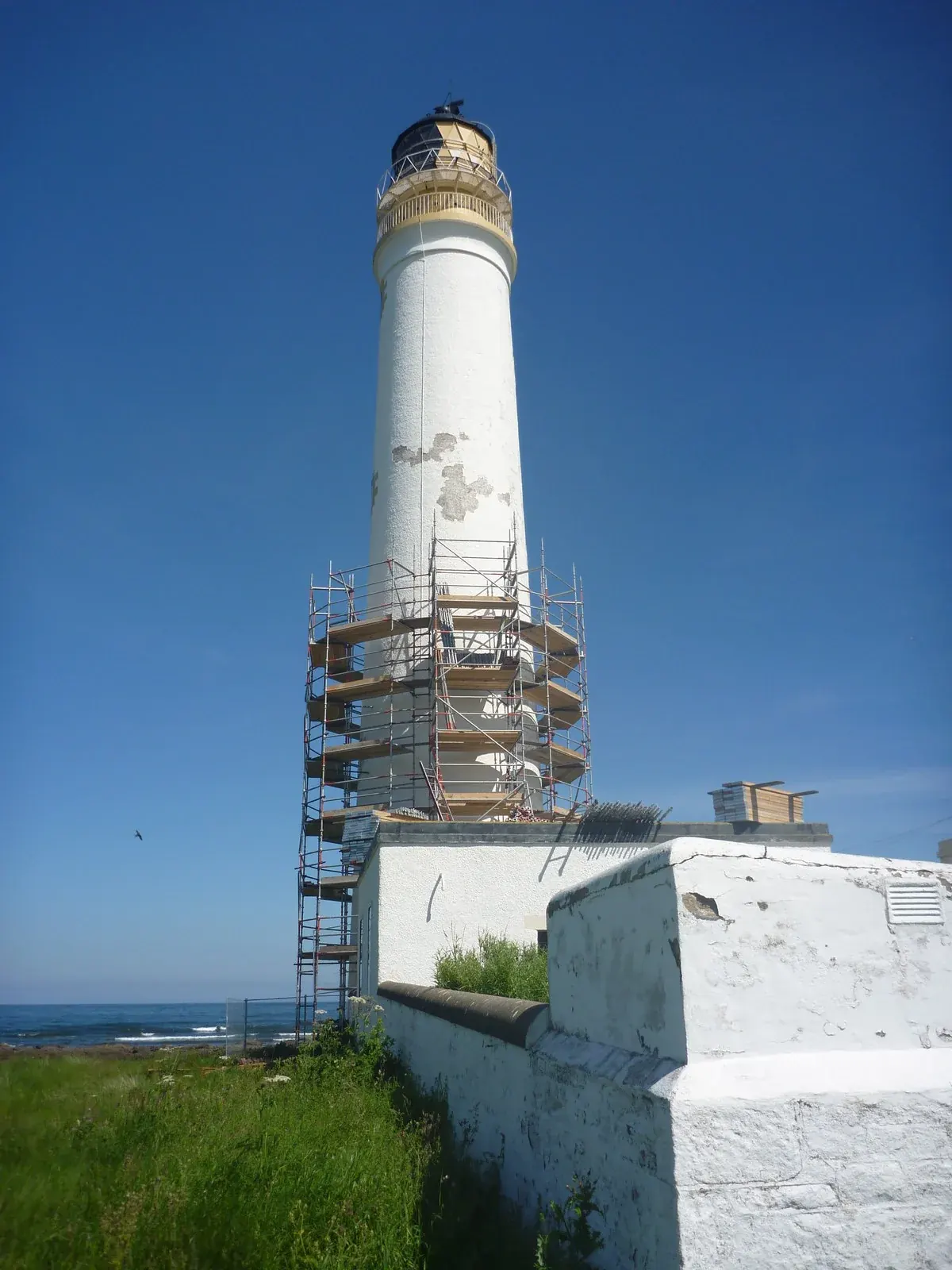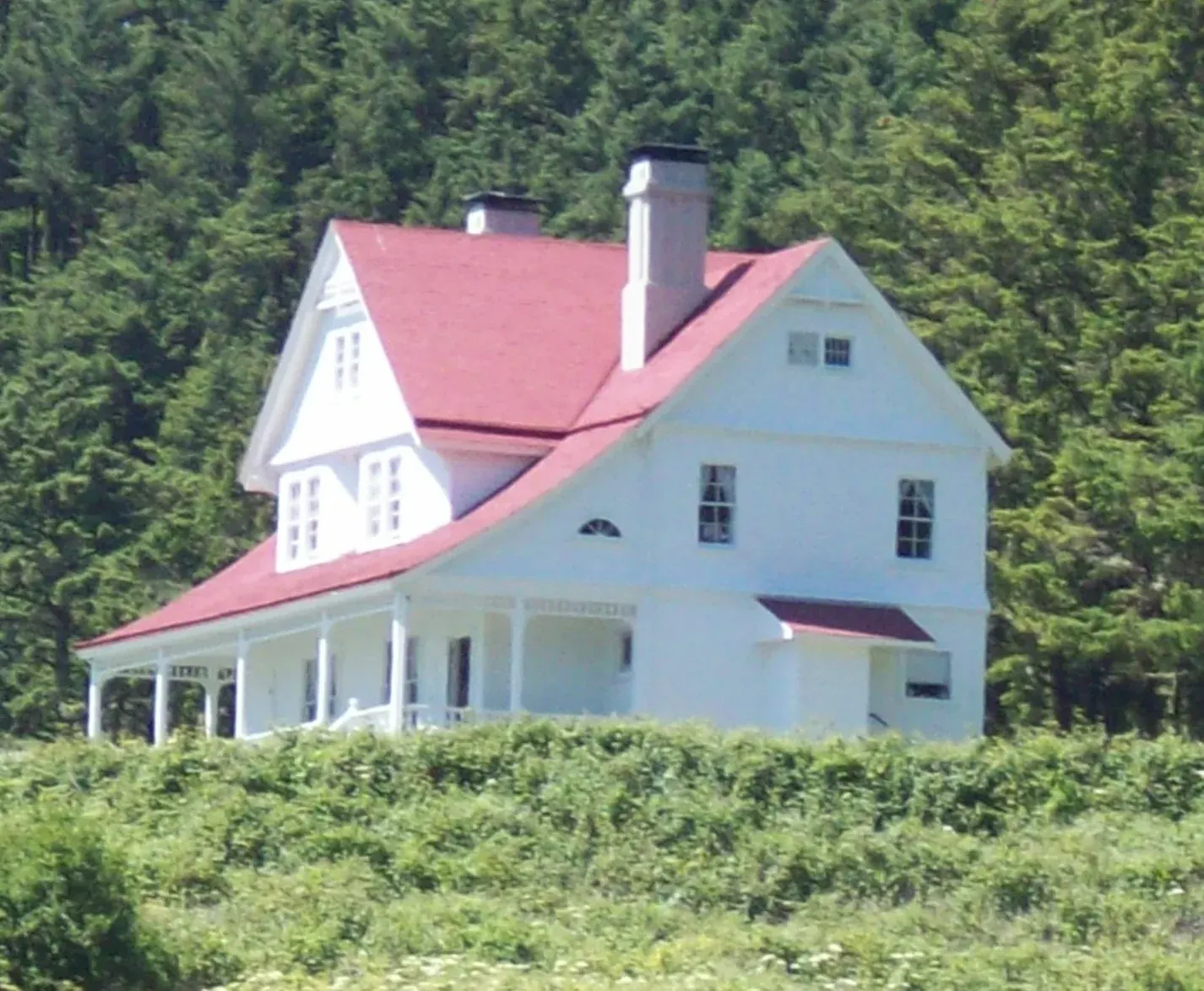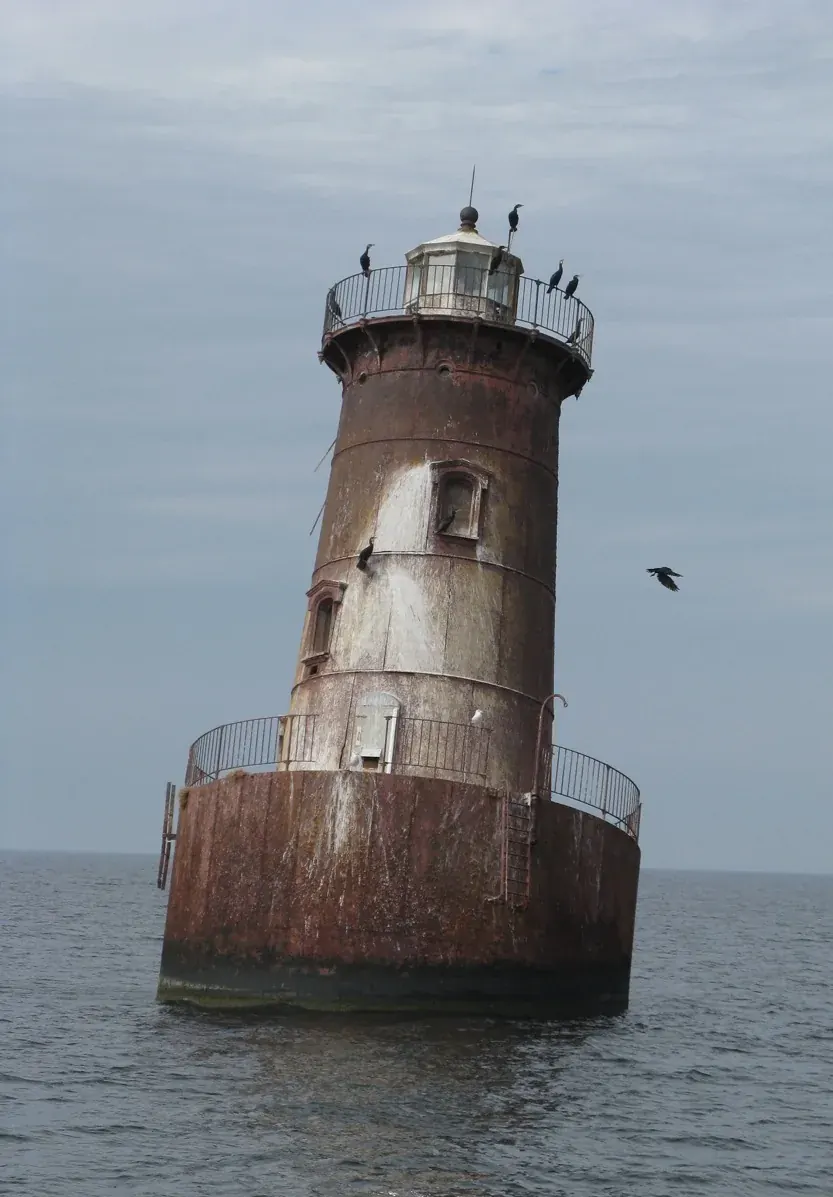
A lighthouse can stop showing a light, lose its resident keepers, or pass to a new property owner. Those are separate events. In the United States, a historic station declared excess to federal needs may enter the National Historic Lighthouse Preservation Act transfer process even while an aid to navigation continues to operate there. This article follows what changes hands, what remains in service and what a new steward must understand before taking responsibility for the buildings.
Why lights come out of service
Changes in navigation and station operation can leave buildings without their former purpose. Rose Island was taken out of service around 1970 after completion of the Newport bridge. Automation, by contrast, can remove resident staff while leaving the light active: White Shoal was automated in 1976 and Bell Rock in 1988. Neither an empty dwelling nor the absence of a keeper proves that the navigational aid has been discontinued. The station history and current navigation notices answer different parts of that question.
The disposal pipeline
The formal mechanism is the National Historic Lighthouse Preservation Act of 2000. When the Coast Guard or another federal agency determines a historic light station to be excess to its needs, the General Services Administration issues a Notice of Availability. Within sixty days, eligible entities — federal, state and local agencies, nonprofits, and educational or community development organizations — must submit a letter of interest to GSA. The National Park Service then sends applications and GSA schedules a visit with the Coast Guard and NPS. Completed applications are due within 90 days of the site visit. An NPS review committee evaluates the submissions for completeness, past performance and compliance with the Secretary of the Interior's Standards for the Treatment of Historic Properties. If a suitable steward is found, the Secretary of the Interior recommends the applicant and GSA completes the conveyance; if not, the property is offered by competitive bid or auction on GSA's real estate sales site.
The auction block
An auction notice is the beginning of a property investigation, not a promise that a tower can become a home. A prospective owner needs to read the particular sale documents: what land and buildings are included, what preservation conditions apply, and how the Coast Guard retains access to any operating aid. Terms differ by property. A headline sale price cannot establish the cost of restoration, boat access, insurance or continued maintenance. The aggregate transfer figures and funding examples are discussed in who pays for lighthouse preservation.
The optic goes to a museum
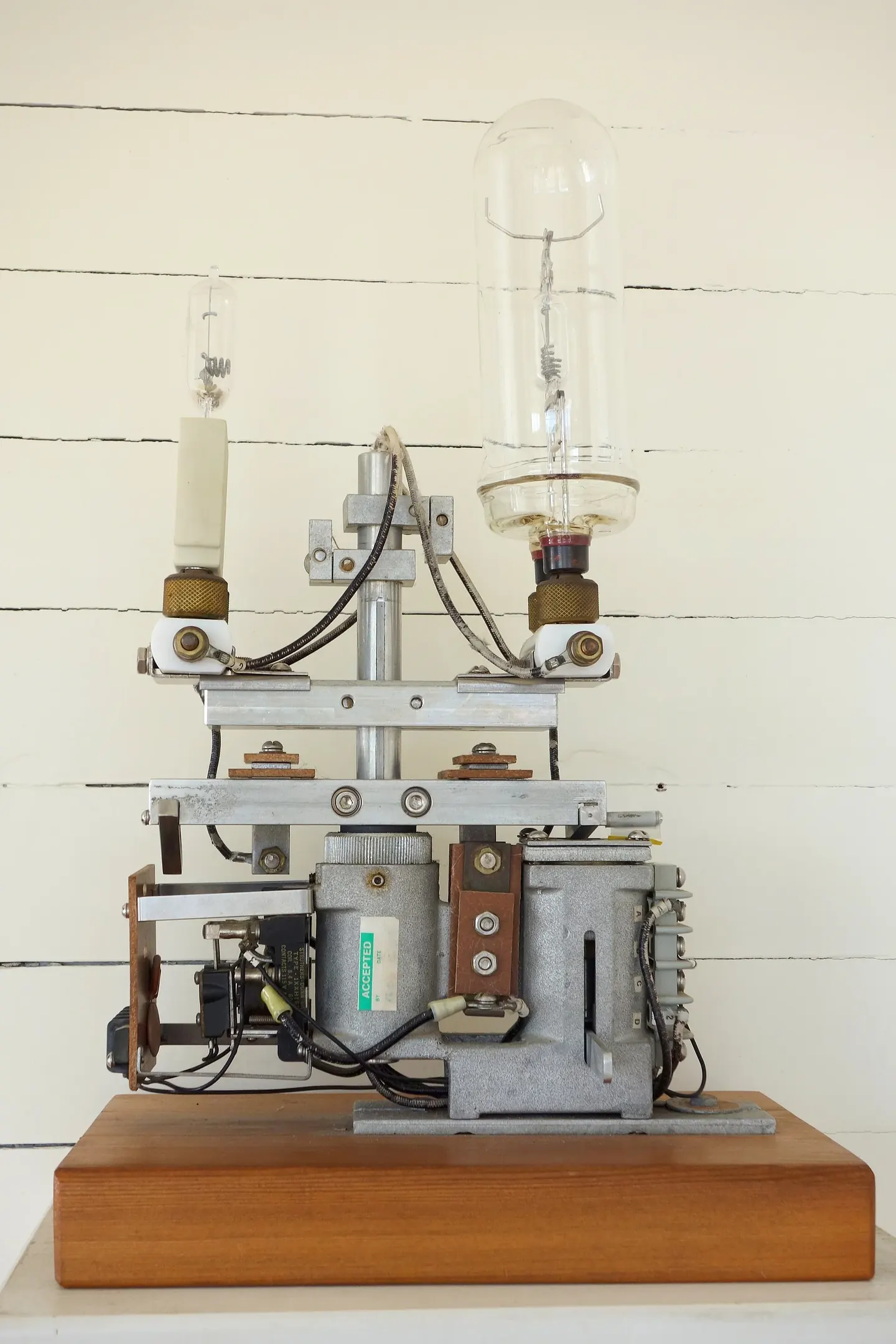
A station's historic optic and its current navigational light may have different destinations. White Shoal's former second-order Fresnel lens is displayed at the museum at Whitefish Point. At other stations an optic may remain on site for interpretation. The presence or absence of an old lens does not establish ownership or whether a modern aid is active; those questions require property records and the responsible authority's current listing. Moving or treating an optic also raises its own conservation requirements.
What the record shows
Before describing a station as retired, identify what has actually changed: staffing, the navigational signal, ownership, or public access. Then read the relevant notice and conveyance terms alongside its history. A privately owned building can still contain an active federal aid, and a historic station can become a museum without retaining its original optic. Those distinctions explain more about a lighthouse's future than the single word "decommissioned."
A property file needs more than a sale headline
Make separate entries for the land, the building, the historic optic and the active navigation equipment. Then identify access rights and the party responsible for each. A private owner's photograph beside a lantern does not establish the right to alter or switch an operating aid.
GSA's July 2025 announcement for Sheboygan and Keweenaw explicitly described active aids and retained Coast Guard access after conveyance. That is a documented example of ownership and operation remaining separate. It does not make every other deed identical; the property-specific notice and final conveyance still control the particular arrangement.
What a joint stewardship proposal must clarify
The NPS application page allows joint applications but requires defined responsibilities and a lead entity. A hypothetical partnership between a local government and a heritage group should therefore state who owns or manages what, who pays for work and who can authorize a change. “The community will maintain it” is not a substitute for named responsibilities.
The same page requires an additional treatment plan where a historic Fresnel lens is involved. This shows why building reuse and object conservation cannot be assumed to be one job. A proposal for exhibitions or accommodation must address the actual objects and restrictions at the site.
A second use does not prove successful preservation
A museum, rental property or residence is a use category. To evaluate care, look for condition records, an approved work plan and evidence that responsibilities are being met. An appealing new purpose may help sustain interest without demonstrating that every repair has been funded or completed.
Keep public access separate too. A transferred station may have restrictions that an old tour listing does not reflect. Consult the current steward for visiting arrangements and the responsible navigation authority for signal status. A historical account can explain why a place changed hands without advertising access that has not been confirmed.