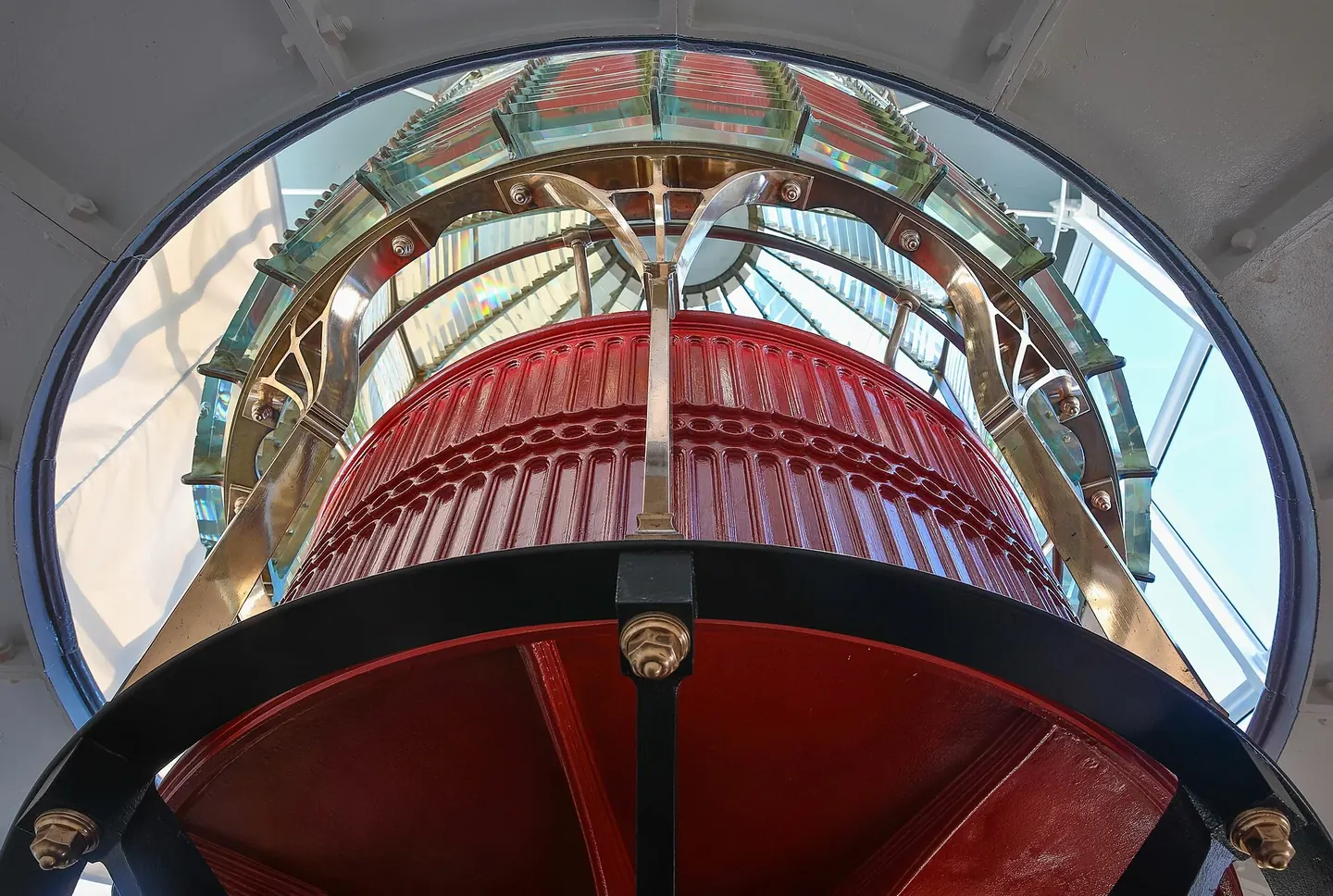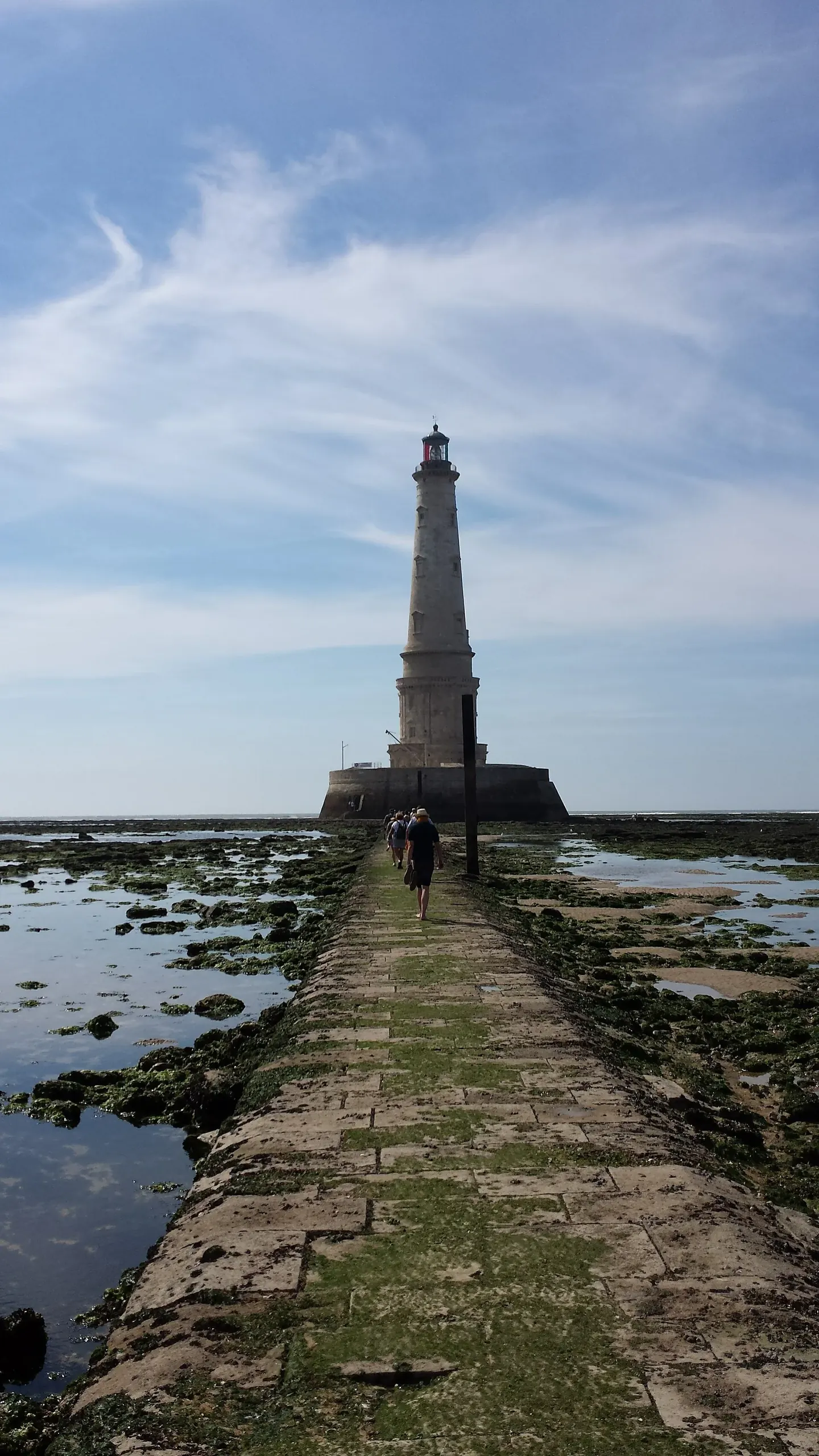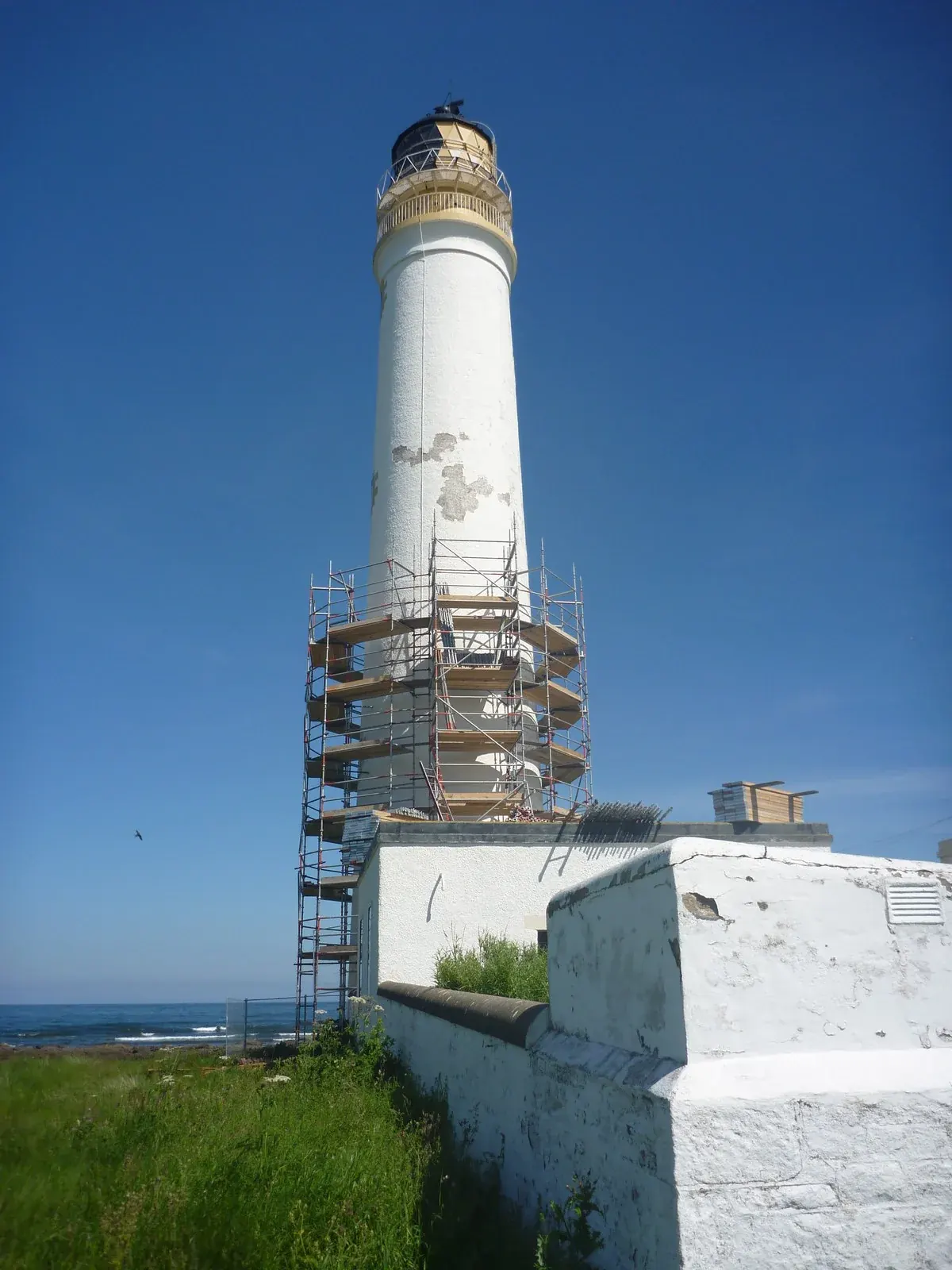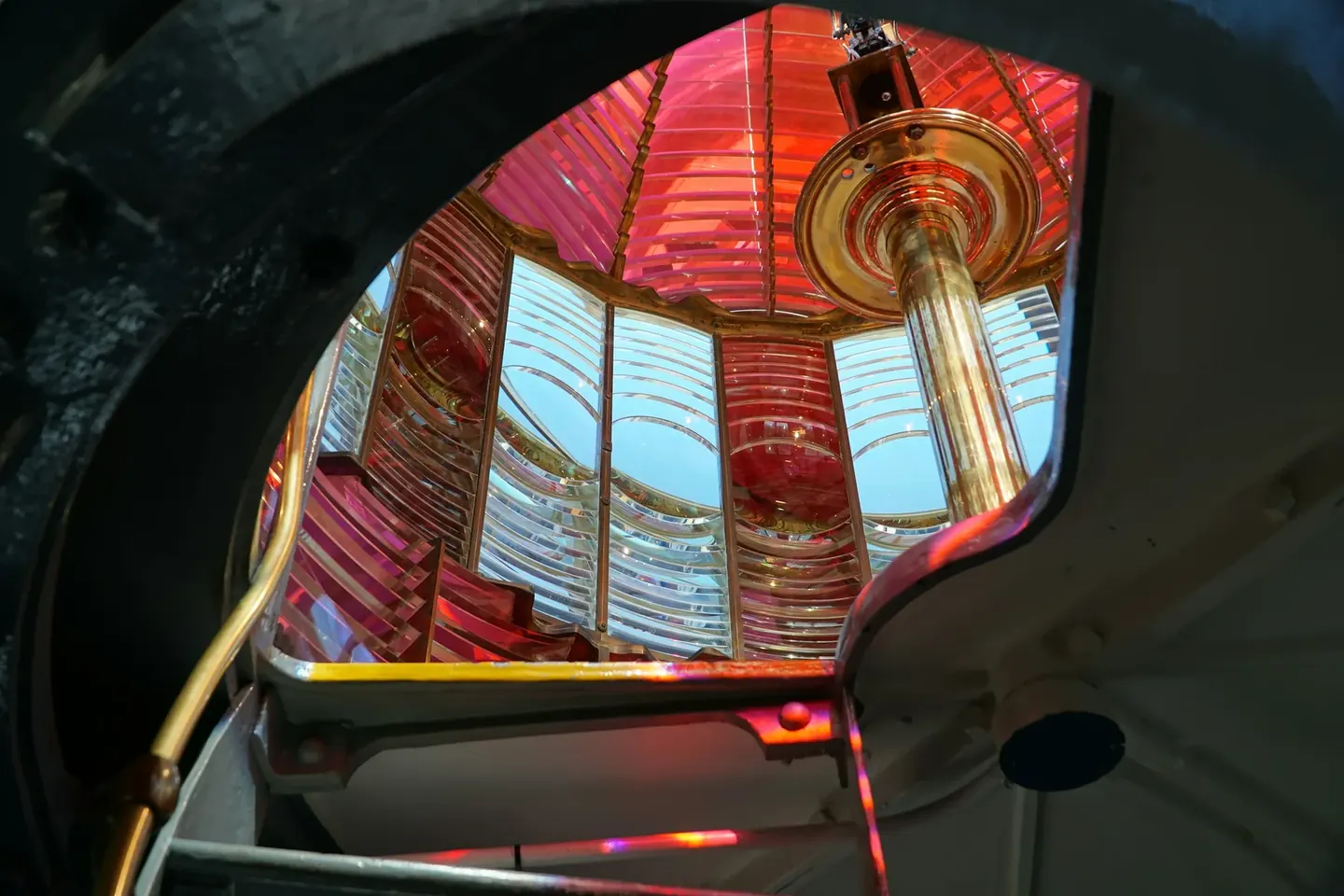
A proposal to save a Fresnel lens can mean several different things: stop deterioration, move it to a display, restore its appearance or return it to operation. Those goals require different evidence and may lead to different decisions. A useful conservation brief says which goal is being pursued before anyone prices a treatment.
Fire Island: a return to the station, not to service
The National Park Service's Fire Island account documents an instructive sequence. The original lens served the lighthouse from 1858 to 1933, then went to Philadelphia for display. After later storage, it returned to Fire Island in crates in March 2011. It was reassembled and unveiled in July that year in a purpose-built display building.
The 2007 project record describes exhibit space intended to protect, display and interpret the artifact. Together, these records show why returning an object to its historic station need not mean reinstalling it in the lantern. Location, operational function and public interpretation are separate decisions.
This case does not prove that every lens should move indoors or that the same building solution suits another station. It does give a project team a concrete question: can the historical relationship to a site be explained while the object occupies a different, deliberately designed space?
Four decisions to put in the project brief
- Identify the object. Assemble ownership or loan records, photographs, component labels and previous treatment reports. In a brief, list missing records separately from known losses. An absent document is not proof that a component was never present.
- Describe the condition question. Ask a qualified conservator what examination is needed. A photograph supplied for an estimate is useful evidence of appearance, but not a substitute for assessing an assembly and its supports.
- Compare destinations and uses. State whether the proposal concerns storage, static exhibition or operation. For each option, identify access for maintenance, visitor separation, environmental monitoring and the responsibility for ongoing care.
- Specify a record of the decision. Require a rationale, a documented scope, named approval responsibilities and an updated component record. Keep rejected options with their reasons so a future team does not have to reconstruct the debate.
This is an editorial planning checklist, not a treatment specification. Its purpose is to expose decisions and missing evidence. It does not prescribe solvents, adhesives, lifting points or a safe operating speed for a historic optic.
Cleaning a room is different from treating an object
The NPS guidance on cleaning museum and visitor spaces expressly separates building housekeeping from cleaning collections. It says museum objects should be cleaned by a conservator, or by trained staff following a conservator's instructions. A product described as suitable for a display case or visitor-center window is therefore not automatically suitable for a lens.
For a project manager, the practical response is to separate those jobs in the work order. “Clean the exhibit” is ambiguous: it could refer to the case, the floor or the historic object. Specify the boundary, the responsible person and the procedure that authorizes object contact. That makes it easier for volunteers and contractors to know where their work stops.
A decision record that survives a change of staff
Consider a hypothetical proposal to make a stationary lens rotate for visitors. The first record should identify the purpose of the demonstration, the proposed mechanism, the evidence needed to assess it and who can approve it. A motion demonstration using a separate model is a different option and should be evaluated as one. Calling either option “restoration” does not settle its effect on the original artifact.
A handover should preserve dated photographs, the condition assessment, treatment documentation, component locations, ownership terms and the next review trigger. The trigger might be a proposed move or a change in display use; the appropriate inspection schedule belongs in the site's professional care plan. A generic interval copied from another project is not a substitute for that plan.
The NPS lighthouse technical-resource index lists specialist lens guidelines and the lighthouse preservation handbook; its Museum Handbook index offers a broader route into collections care. These are starting points for obtaining relevant guidance, not a claim that a website checklist can approve treatment. For how an optic forms a beam, see the optical explanation; for project budgets, see preservation funding.
Define completion beyond a polished appearance
A conservation commission needs acceptance criteria that can be checked without rewarding unnecessary intervention. For a documentation project, completion might mean a component inventory and a condition map accepted by the responsible curator. For a display project, the handover should identify the approved supports, access arrangements and ongoing care responsibilities. These are examples of deliverables to agree with specialists, not specifications for an unexamined lens.
The distinction matters when a project changes hands. A photograph can show that an exhibit looks complete while revealing little about the maintenance agreement or the location of disassembled parts. A future move could then begin with an incomplete understanding of what was altered.
Fire Island's separate display setting makes this especially legible: the physical return, the assembly and the public opening were distinct milestones. Recording milestones separately provides a more useful model for future planning than describing the whole undertaking simply as putting the lens back.