“Stay at a lighthouse” does not describe one kind of accommodation. A room in a keeper's house, an apartment inside a lighthouse museum and a detached off-grid building can all carry that label. Before comparing photographs or prices, identify where you will sleep, how you will arrive and which services the booking actually includes.
Operator information checked 21 October 2026. The comparison below uses published operator descriptions, not firsthand stays. Room availability, boat arrangements and temporary works should be reconfirmed with the operator before booking.
East Brother: start with the boat transfer
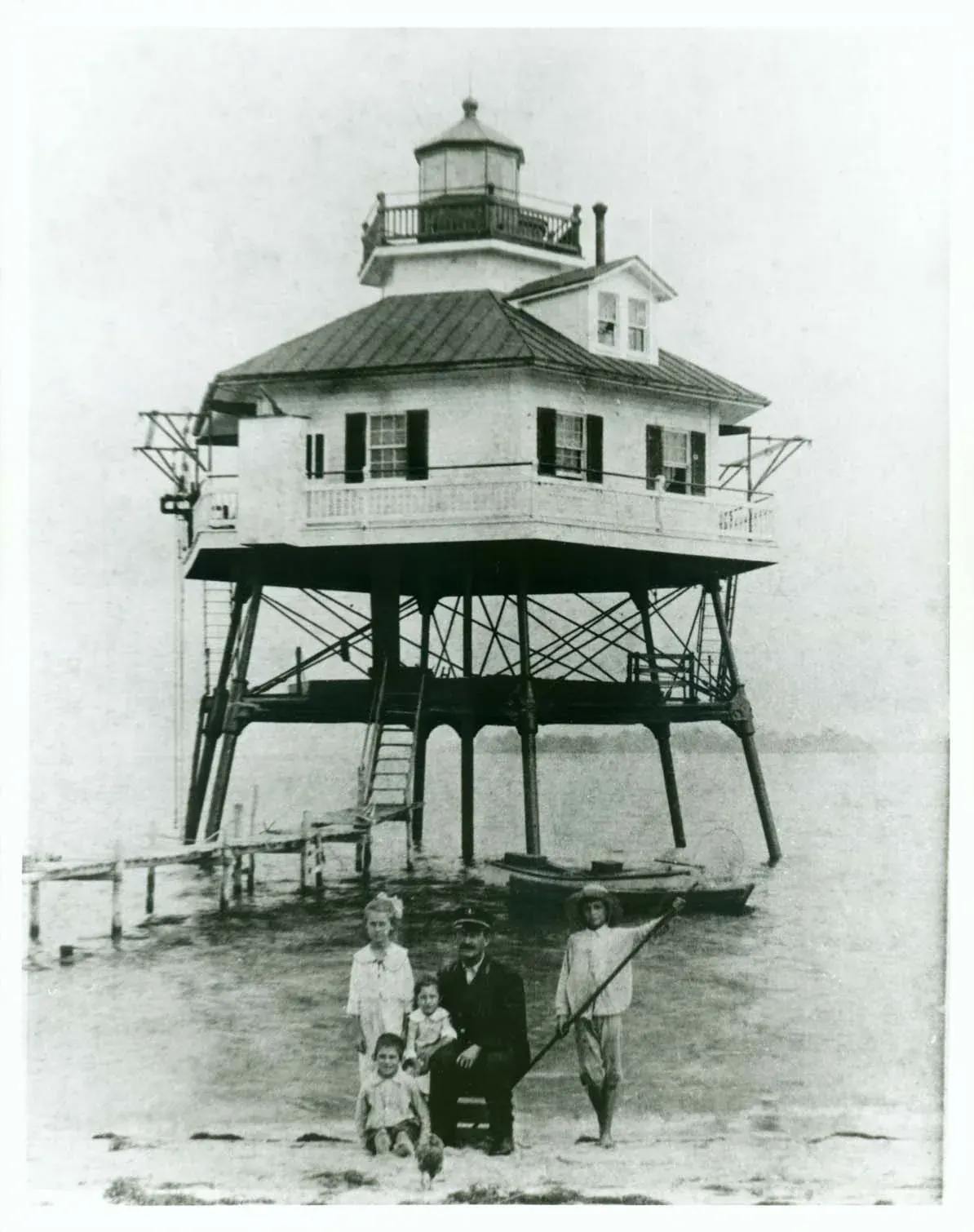
East Brother's visitor information says access requires a boat transfer and climbing a ladder. The published arrangements do not accommodate wheelchair or walker access. The rate includes the transfer, a tour, dinner and breakfast. The station relies on rainwater storage and restricts showers to guests staying more than one night.
The decision here begins before the bedroom: can everyone in the party manage the transfer as described? A companion's willingness to help does not answer whether the operator can accommodate a specific access need. Ask about the actual boarding arrangement before making connected travel plans.
Included meals also change the comparison. A room-only price elsewhere and a package with boat transport and meals are not equivalent totals. List what is included first; then add parking, onward travel and any arrangements needed around a tide-dependent arrival. This article deliberately avoids a headline nightly rate that could become outdated or compare unlike packages.
Rose Island: choose the room before packing
Rose Island's overnight page describes a self-directed stay following an arrival orientation, without full-time on-site staff. Guests bring their own food. Facilities vary: the keeper's apartment has a kitchen and bathroom, while the Foghorn Room has no electricity and uses outdoor bathroom facilities. The lighthouse museum's common areas receive daytime visitors.
Here the useful unit of comparison is the named room, not simply “Rose Island.” Ask whether you need indoor plumbing, electricity, a kitchen or privacy from day visitors. A description that fits the apartment may not fit a detached accommodation on the same island.
Plan the food and luggage together. A self-catering stay reached by scheduled boat makes a missing ingredient a different inconvenience from one at a roadside inn. The operator's current departure instructions should determine the transfer plan; a general Newport itinerary cannot supply that information. Confirm the room-specific facilities and checkout duties directly rather than assuming that “keeper” means guests operate the navigation light.
Heceta Head: distinguish the keeper's house from the tower
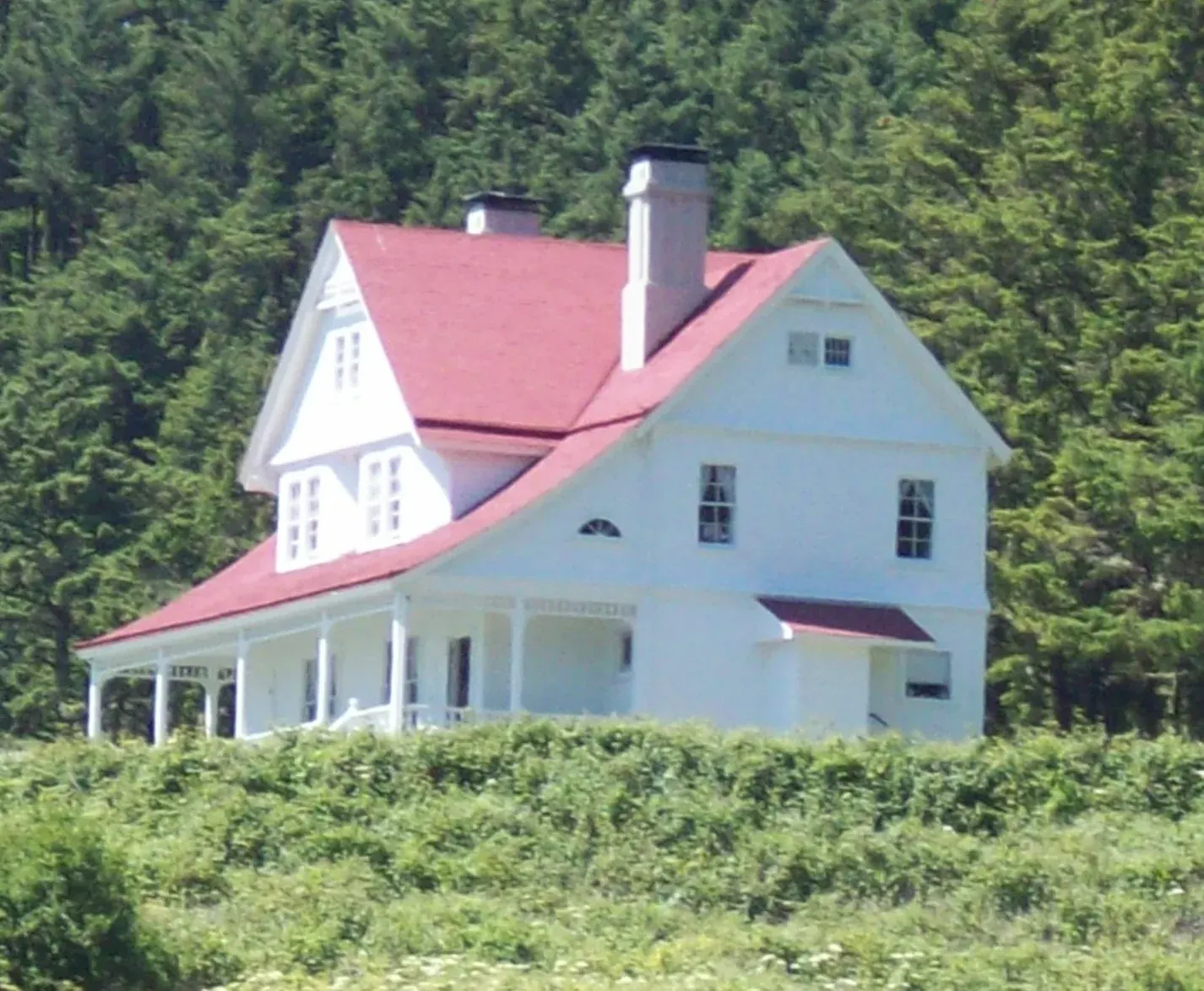
The Heceta Head operator offers bed-and-breakfast accommodation in the historic keeper's home. That is different from sleeping in the lighthouse tower. The operator's October 2026 notice states that roof and front-porch work began on 5 October, with an expected duration of four to six weeks; accommodation services continue, but scaffolding and temporary porch restrictions are part of the notice.
This dated condition matters to someone booking for the view, quiet or use of the porch. The published estimate is not proof of the actual completion date. Ask whether work will affect the room and dates being considered. After the expected window, check for a completion update rather than silently converting an estimate into a finished-project claim.
A short comparison you can use when contacting operators
- Physical access:
- Describe your party's needs and ask about the complete route from parking to bed, including transfers, steps and luggage.
- Accommodation:
- Obtain the exact room or building name. Ask separately about tower visits, shared museum spaces and any areas closed during your stay.
- Services:
- Confirm meals, drinking water, washing facilities, power and the location of staff. Do not infer these from a photograph of another room.
- Disruption:
- Ask who decides a weather cancellation, how you will be contacted and what the current refund or rebooking terms cover.
For an island booking, keep a mainland fallback until the transfer is confirmed. For a stay during announced construction, keep the operator's written response about the affected areas. These are different planning problems, so a single rating for “romance” or “authenticity” would hide more than it reveals.
The strongest heritage stay is one whose practical terms fit the visitor's needs. Its preservation value is a separate question: ask the operator how accommodation income supports the site rather than assuming every booking funds a particular repair. Lighthouse ownership and reuse explains that wider context; this guide concentrates on choosing and preparing for a stay.
Match the stay to the purpose of the trip
For a visitor whose main aim is photographing a tower at dawn, the key question is permitted access at that hour, not whether the room is advertised as historic. For someone seeking a quiet reading weekend, daytime public access and announced building work may matter more than proximity to the lantern. A family cooking together needs room-specific kitchen information; a traveler expecting hosted meals needs the actual package terms.
Write those priorities before choosing among the three sites. They turn a vague comparison into questions an operator can answer. If a particular facility is essential, ask for confirmation tied to the named accommodation and dates, and keep that response with the booking. A generally positive description of a station cannot resolve a mismatch between one room and one visitor's needs.