A current official light list describes an aid; a notice communicates information about changes, discrepancies or activities that may matter to navigation. Reading them together helps distinguish the expected signal from a reported interruption. The system is more than a weekly printed correction sheet, and modern digital access makes it important to identify the product and the date actually consulted.
The reference and the change record
A light's name, position and character belong to its published description. If the light is reported extinguished, that report does not silently become a permanent new characteristic. A temporary discrepancy, an authorized alteration and the restoration of normal operation are different events.
The National Park Service's history describes the Lighthouse Board's use of notices alongside light-list information. That historical relationship is useful context, but it should not be treated as proof that today's data are produced, distributed or updated through an unchanged Victorian workflow.
Local information is now available through a digital application
NAVCEN's November 2024 announcement describes an upgraded Local Notice to Mariners and Light List application. It allows users to define an area with geographic tools, sort information by waterway or category and download district information. It also identifies downloadable GeoJSON for programmatic use.
The modern service cannot be understood solely as two printed publications distributed on a fixed calendar. Downloadable or printable output remains useful, but it is an output of a service with selection and update behavior. A saved file should carry its retrieval date and geographic scope rather than be mistaken for an indefinitely current view.
A filter can hide information without removing the hazard
Consider a hypothetical reader selecting one waterway and a narrow map extent. An empty result might mean no matching record, but it might also reflect the selected category, area or date. It does not prove that every possible navigational issue in the surrounding region is absent.
Record the area, filters, product and time used when saving a result. If the intended trip extends beyond the selected area, obtain the relevant coverage rather than extrapolating. This is a method for understanding information scope, not a substitute for the authority's instructions or a vessel's required navigation preparations.
Follow a discrepancy without inventing an automatic pipeline
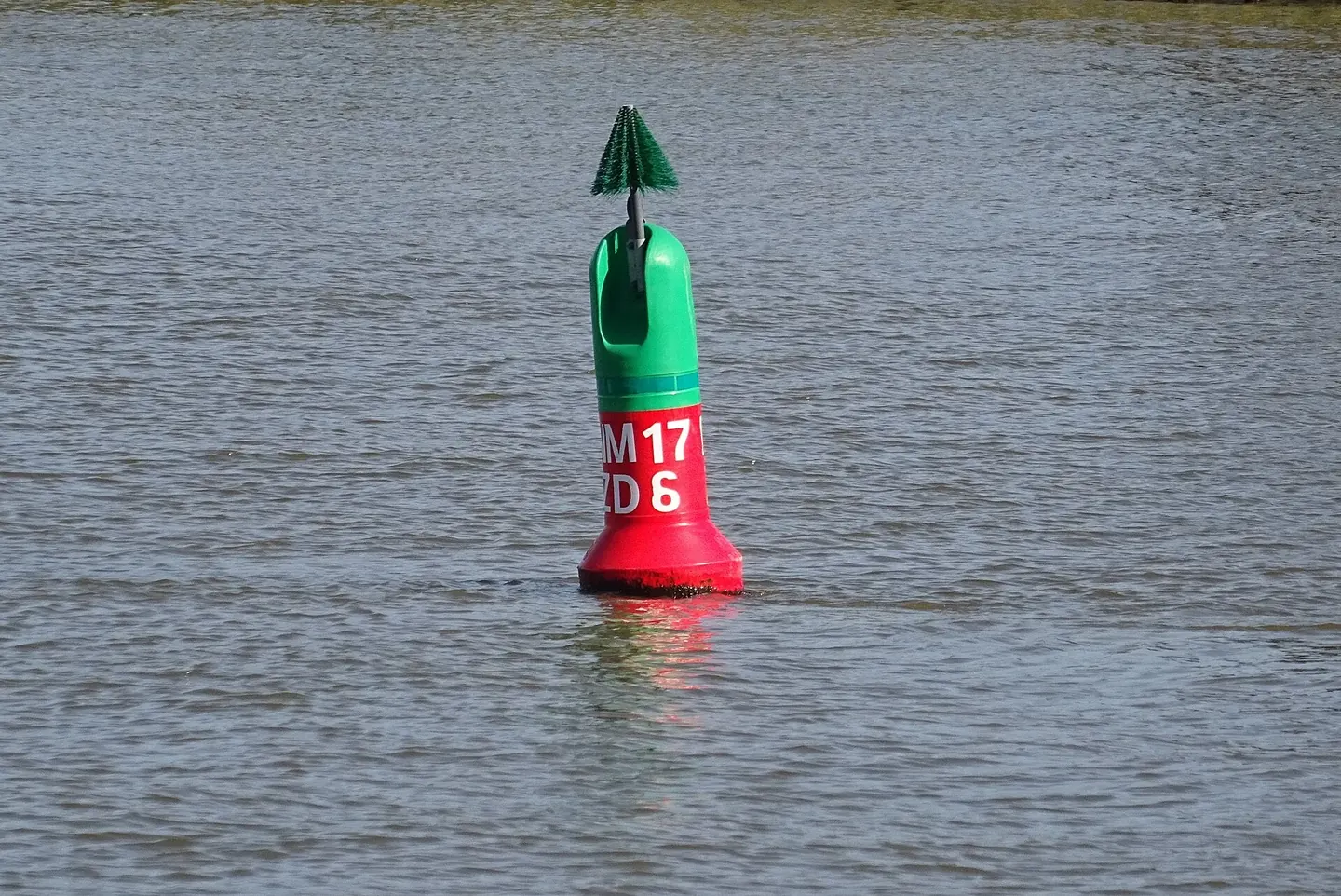
Suppose a buoy is reported off station. The initial report, assessment, public warning, maintenance action and later status update are distinct records. Their actual sequence depends on the responsible authority and circumstances. A report is not proof that a vessel has already reset the buoy.
Nor must every local entry become a national chart correction. A temporary activity and a permanent charted change have different implications. There is no universal rule that every event must graduate through radio, a weekly notice and a national correction in a fixed sequence.
When examining a real case, keep the aid identifier and location consistent across the documents. Record whether the later entry corrects, cancels or supersedes the earlier one. Silence in a new search is not necessarily a documented restoration; find the actual status information that closes the discrepancy.
Broadcast information answers a different timing need
Urgent marine information may be broadcast through the applicable service instead of waiting for a user's next publication download. That does not make a physical buoy the first notice, as the older metaphor suggested. A mark in the water and a broadcast message communicate through different channels, each with its own limitations.
Use the current official service for the area and the relevant navigation publications. This article does not prescribe a universal receiving method or interpret every vessel's legal carriage requirements. Those requirements depend on the applicable rules, vessel and operation.
Old notices are evidence of publication, not omniscience
For a historian, a dated notice can establish what information an authority published at that time. It is not a complete record of every condition on the water. Reports arrive with delays, temporary states change and some incidents may never appear in the surviving issue being examined.
Compare an entry with the station log, engineering record or later correction where available. A notice of planned work documents an intention; a completion report documents another stage. Avoid using the planned outage date as proof that every operation occurred exactly as proposed.
A short record for any downloaded notice
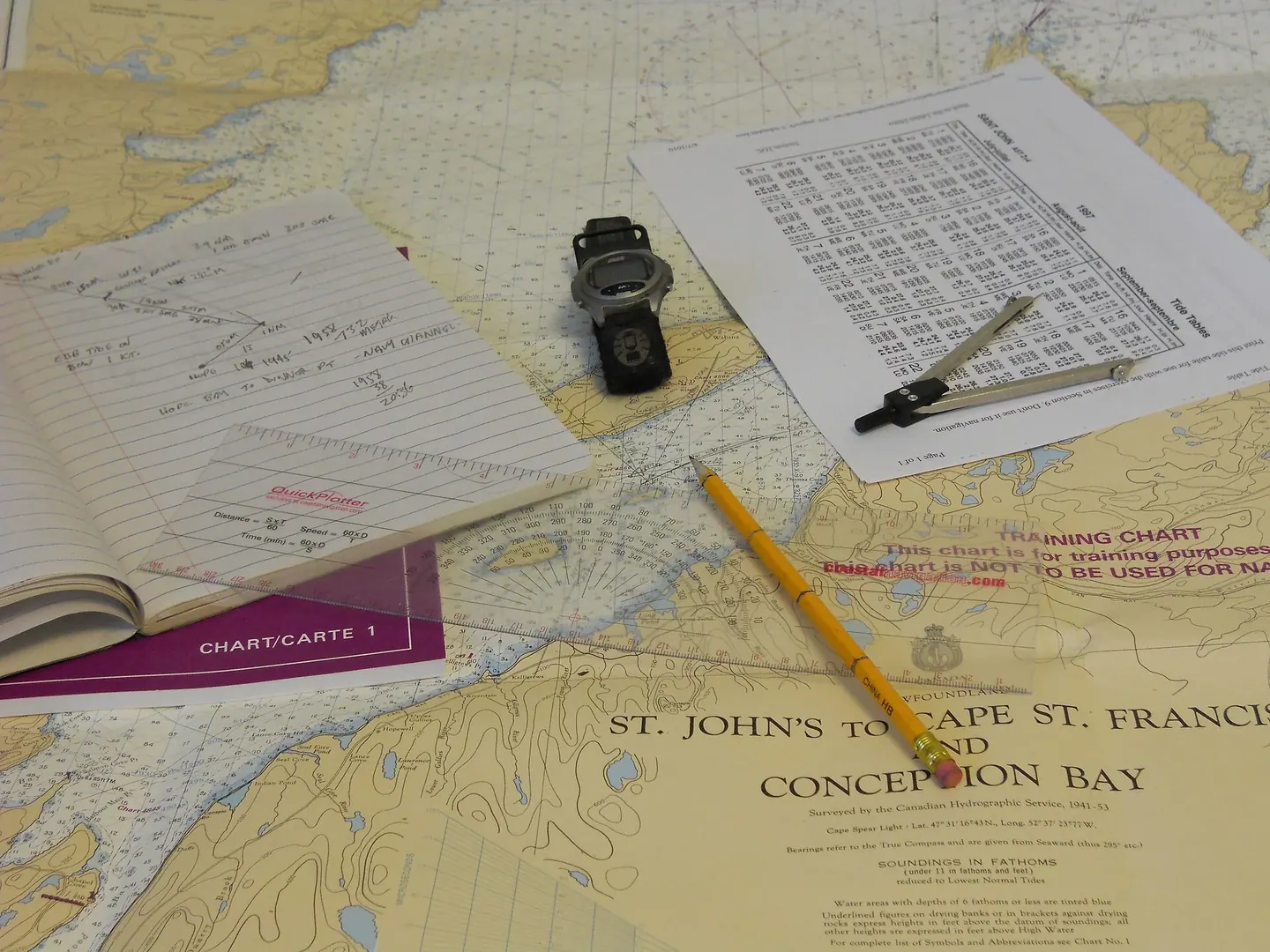
Keep the issuing authority, product title, issue or retrieval date, selected coverage and the aid or event identifier. Retain the file or reference needed to find it again. These fields let another reader reproduce the information context without claiming the historic snapshot is current.
The practical value of dated, scoped notices lies in maintaining a relationship between published expectations and changing conditions. The maintenance cycle describes work on the aid; this article describes how information about that work and its consequences must be read with a date, a scope and an explicit status.