The stepfather's trade
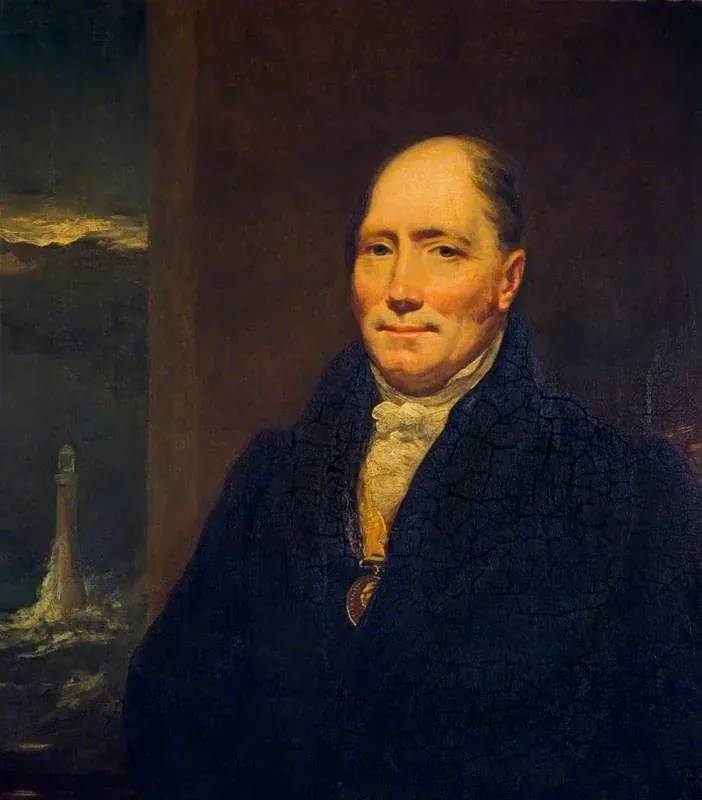
The story begins not with a Stevenson but with a Smith. Robert Stevenson was born in Glasgow in 1772; after his father died, his mother married the engineer and tinsmith Thomas Smith, and the family moved to Edinburgh, where Robert was apprenticed to his stepfather — just as Smith was appointed engineer to the newly formed Commissioners of Northern Lighthouses, the body known today as the Northern Lighthouse Board, established in 1786 under the motto In Salutem Omnium, for the safety of all. The firm, in effect, grew up with its client. Robert Stevenson would serve as engineer to the Board for over fifty years, designing and building more than twenty-five lighthouses around Scotland along the way, as well as bridges and harbors that had nothing to do with the sea.
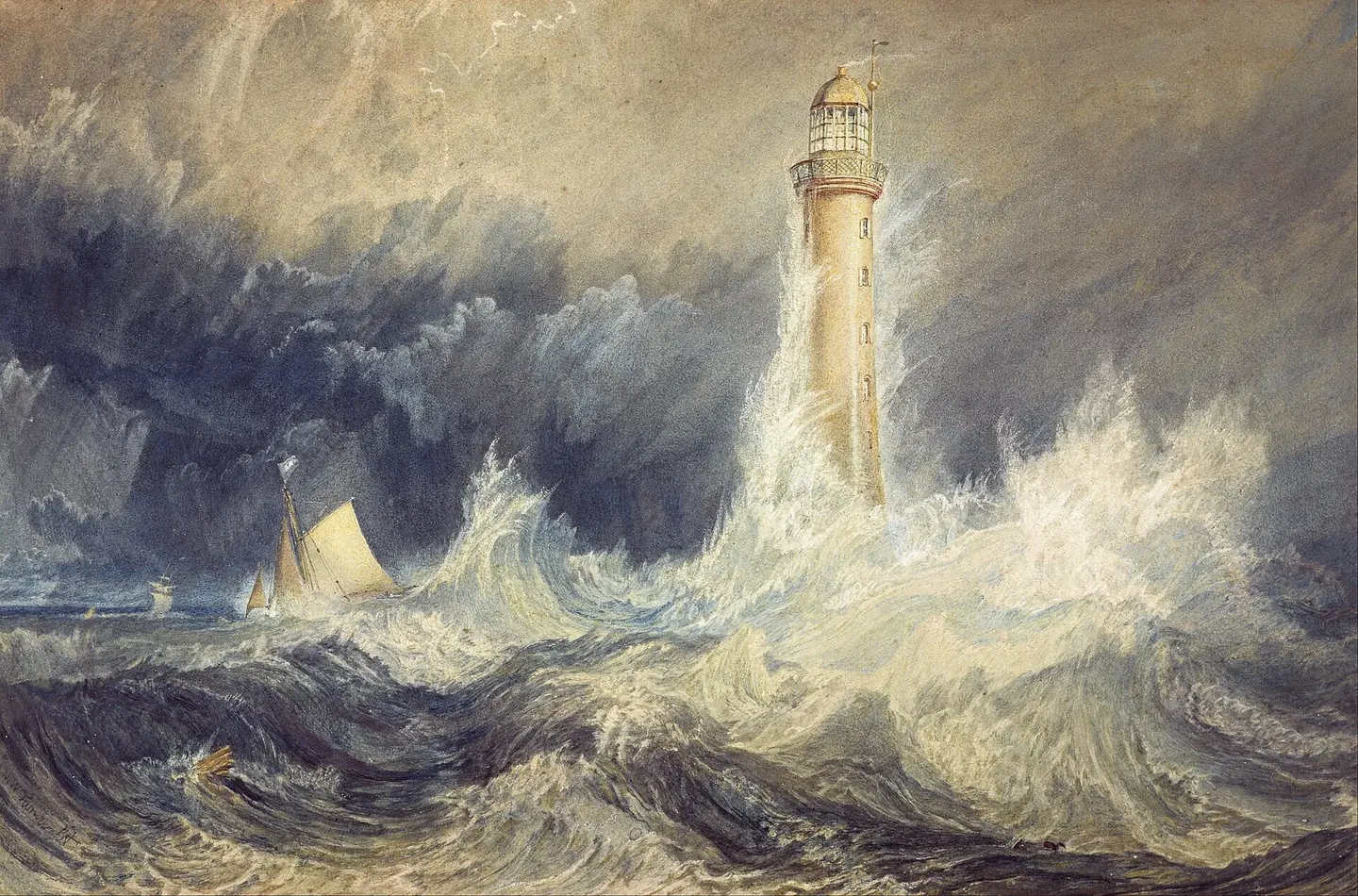
It is worth being precise about credit, because precision is available. John Rennie was appointed chief engineer on the project and Robert Stevenson resident engineer; the working relationship and its later dispute over authorship are exactly the kind of thing the archival record lets historians weigh, and the National Records of Scotland's correspondence files on the proposal are part of that evidence. What is not in dispute is the outcome: Bell Rock succeeded, and it remained the family's calling card for the next century.
Alan and the hyperbola: Skerryvore
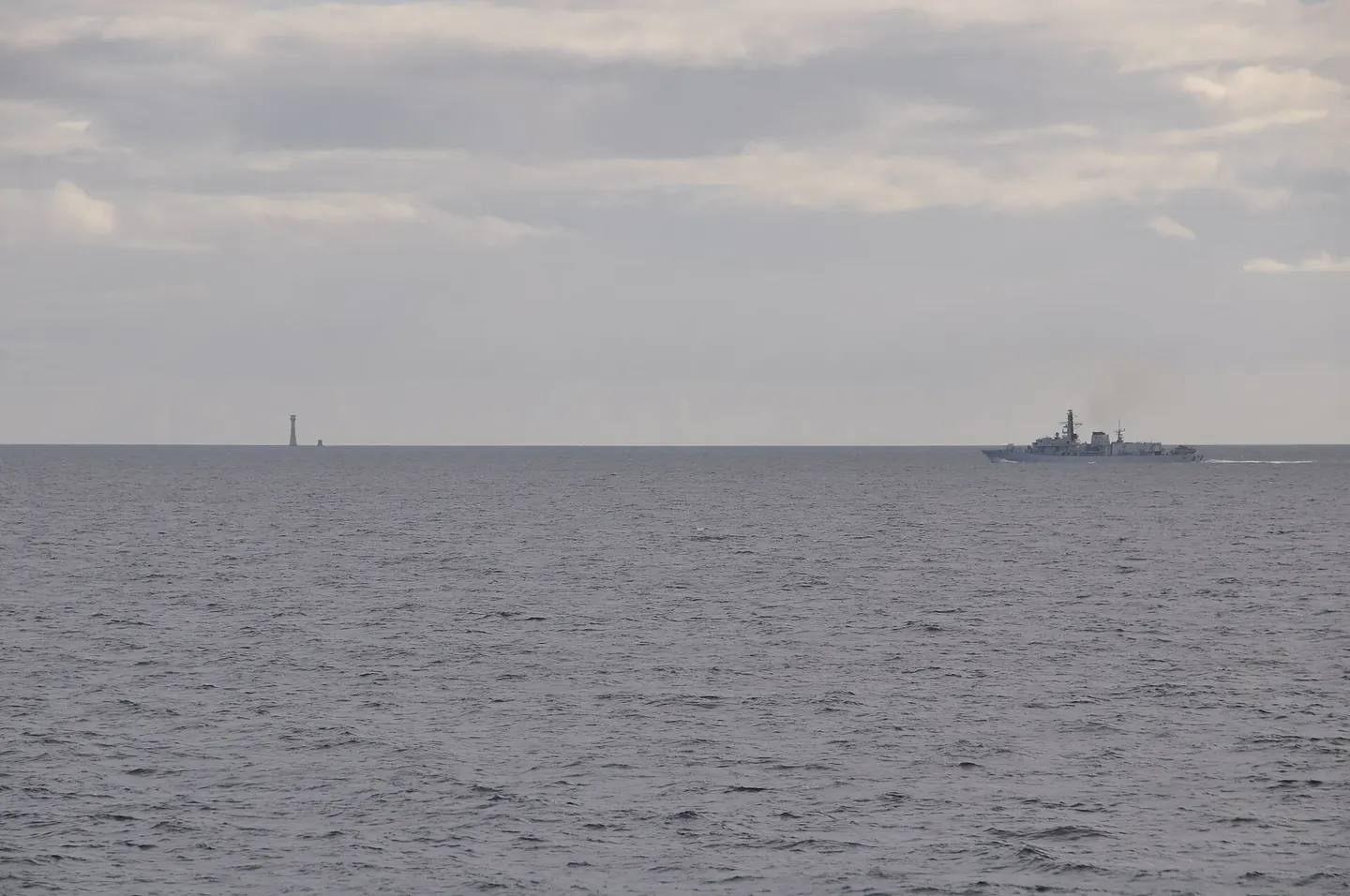
The second-generation masterpiece pushed the method to its limit. Skerryvore reef, eleven nautical miles southwest of Tiree in the Atlantic, offered a single patch of usable rock 280 square feet at low tide, with more than thirty ships known lost between 1790 and 1844. Alan Stevenson, Robert's son, surveyed the reef in 1834; a wooden barrack for the workforce was erected in 1838 and destroyed by the sea that winter; work resumed, and in July 1840 tower work began, followed by the Duke of Argyll’s ceremonial visit. Some 4,300 blocks were quarried on Mull, cut and shaped at the purpose-built shore station at Hynish on Tiree, and ferried out to the rock; the last block was laid in July 1842, and the light was lit on 1 February 1844.
Skerryvore also shows how far the family's engineering reached beyond the rock itself. The works created an entire shore economy at Hynish on Tiree: granite blocks were quarried on Mull, brought to Hynish to be cut and shaped, then shipped out to the reef, while a pier, keeper's cottages and a tall signal tower — built so the rock's keepers could communicate with the shore — turned a corner of the island into a working annex of the Board. The shore workforce was an essential part of the project. A lighthouse, in the Stevenson method, was a system with a supply chain, not merely a tower.
A dynasty, not an accident
Why did one family hold the post for a century? Part of the answer is structural. The Northern Lighthouse Board was a single, stable client with a continuous program of works; engineering a sea-rock tower was a specialist craft whose apprenticeship naturally ran through the family. Robert's three sons — Alan, David and Thomas — all became prominent lighthouse engineers, two grandsons followed, and one great-grandson joined the line, the National Library of Scotland records. Robert Louis Stevenson's departure into fiction is the exception that proves the rule: even his literary account of the family treats the towers as the main event. The dynastic reading is also a caution. The family's near-monopoly has been debated by historians, and modern accounts — including Bella Bathurst's study of the Stevensons — weigh the excellence of the work against the closed circle that produced it. Both things are true at once.
Use names and roles instead of a family signature
Historic Environment Scotland identifies Robert's sons Alan, David and Thomas as lighthouse engineers. The shared surname can obscure which person surveyed, designed, supervised or later altered a station. A project ledger should therefore contain a full name, a role and a date, with joint work recorded as joint work.
For Skerryvore, the NLB account names Alan as designer and describes Thomas succeeding him as resident engineer during the final stages. That is a more informative attribution than a single family label. It also corrects the earlier account's confusion between the start of tower work on 4 July 1840 and the ceremonial foundation-stone visit three days later.
The shore establishment belongs in the family story
Hynish linked preparation and communications to the offshore tower. Its significance does not depend on an invented calculation of how many households the project rescued from poverty. Payroll and local economic records would be needed for that conclusion. The documented organization of quarrying, shaping and shipping is already a substantial achievement to explain.
A family history can then ask how skills and appointments passed between generations without assuming kinship alone explains every appointment. Institutional continuity, specialist experience and individual projects are separate subjects. They should be examined through records rather than converted into a claim that no other engineering family ever held comparable influence.
Robert Louis Stevenson's literary account is another kind of evidence: a later family narrative. It can illuminate commemoration and self-presentation, but it is not an independent inspection of every tower. Read it beside project records and distinguish its voice from the authority commissioning the work.