Why lighthouses made good observatories
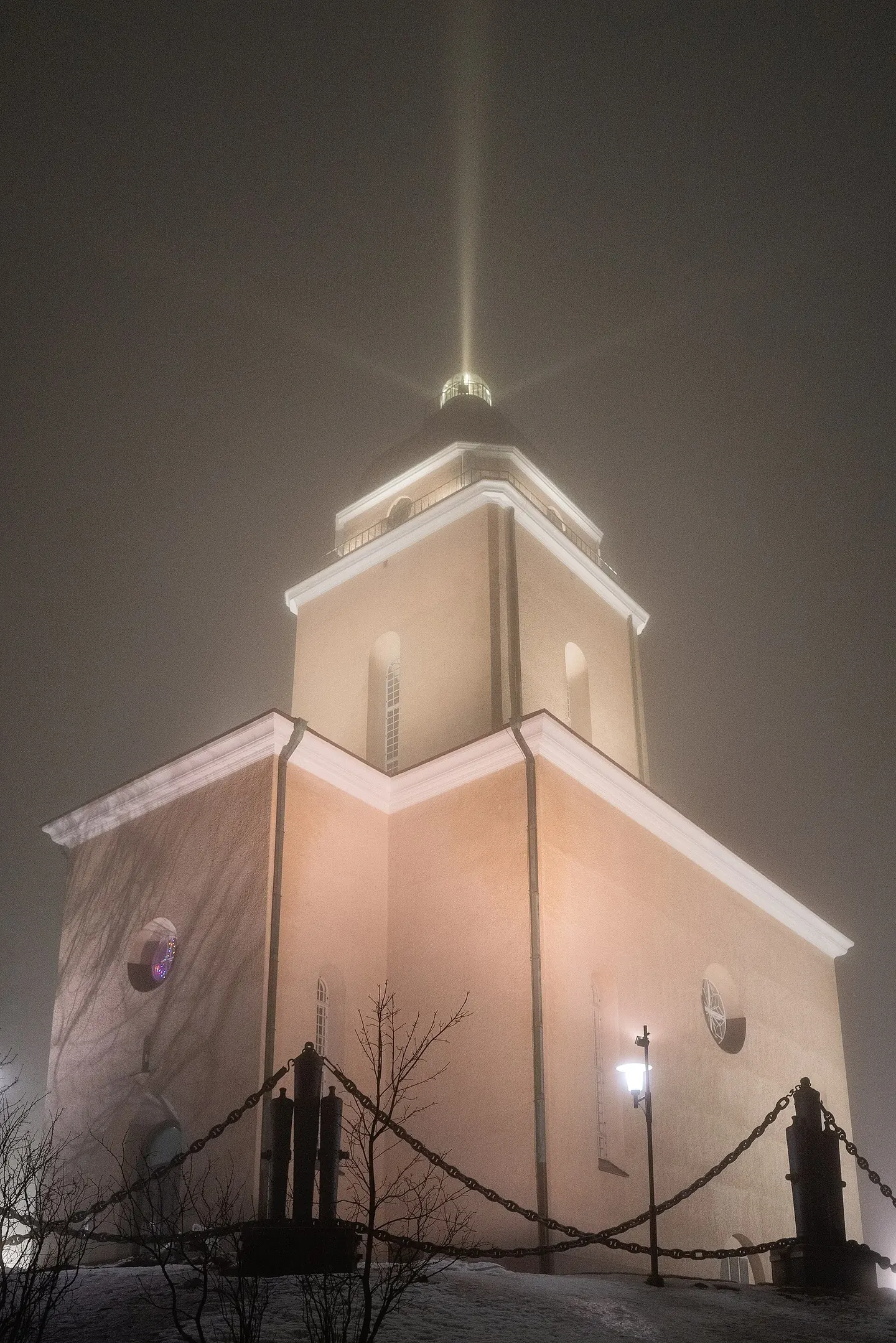
The case for the lighthouse as a weather station was a matter of geography and staffing. No other fixed platform existed on most exposed capes; ships passed irregularly and took their observations with them; and the keeper — required by the service to be present at all times, and awake through the night in any case — was the only observer guaranteed to be on station when the weather turned. At Split Rock, on Lake Superior, the keepers' standing orders made this explicit: during the day they monitored the weather, and whenever visibility dropped below about five miles, the men stood a daytime watch in the fog signal building, sounding the horn at twenty-second intervals. Weather reading was not a hobby appended to the job. It was part of the watch, in the same sense as trimming the wicks described in a keeper's daily routine.
What the logbooks actually recorded
Surviving station logs show the pattern plainly. The Point Reyes keepers' log for 1888, now displayed and transcribed by the National Park Service, records day after day of station work — lens cleaning, siren repairs, supplies landed — punctuated by the recurring entry "Signal in use," the notation that fog had closed the light's visual channel and the steam sirens were sounding. Visibility, in other words, was being logged operationally, hour by hour, because it determined which signal the station owed the mariner that day.
The formal meteorological registers went further. Britain's Met Office, in its guide to the National Meteorological Archive, describes its holdings of meteorological logs completed on board ships "and a smaller number from light vessels and lighthouses around the world," with observations taken at regular intervals — sometimes as often as every three hours — in the same format as daily weather registers, complete with position references and a remarks column. A lightvessel or lighthouse log, kept to that standard, is a modern weather record in every sense except the instrument housing.
Fog, visibility and the signal watch
From logbook to climate archive
What happened to the pages? They entered the same pipelines as every other official observation. In the United States, NOAA's National Centers for Environmental Information maintains the national archive of official weather records, explicitly described as ranging from observers' handwritten logbooks to early computer tapes and real-time measurements. At sea, the comparable effort is the International Comprehensive Ocean-Atmosphere Data Set, which NOAA describes as the most complete collection of surface marine data in existence, spanning from 1662 to the present and built from ships, buoys "and other platform types" — the category into which lightvessels and manned lighthouses fall. Keeper observations taken on remote coasts therefore survive not as curiosities but as rows in the datasets behind modern climate reconstructions.
The automated successors
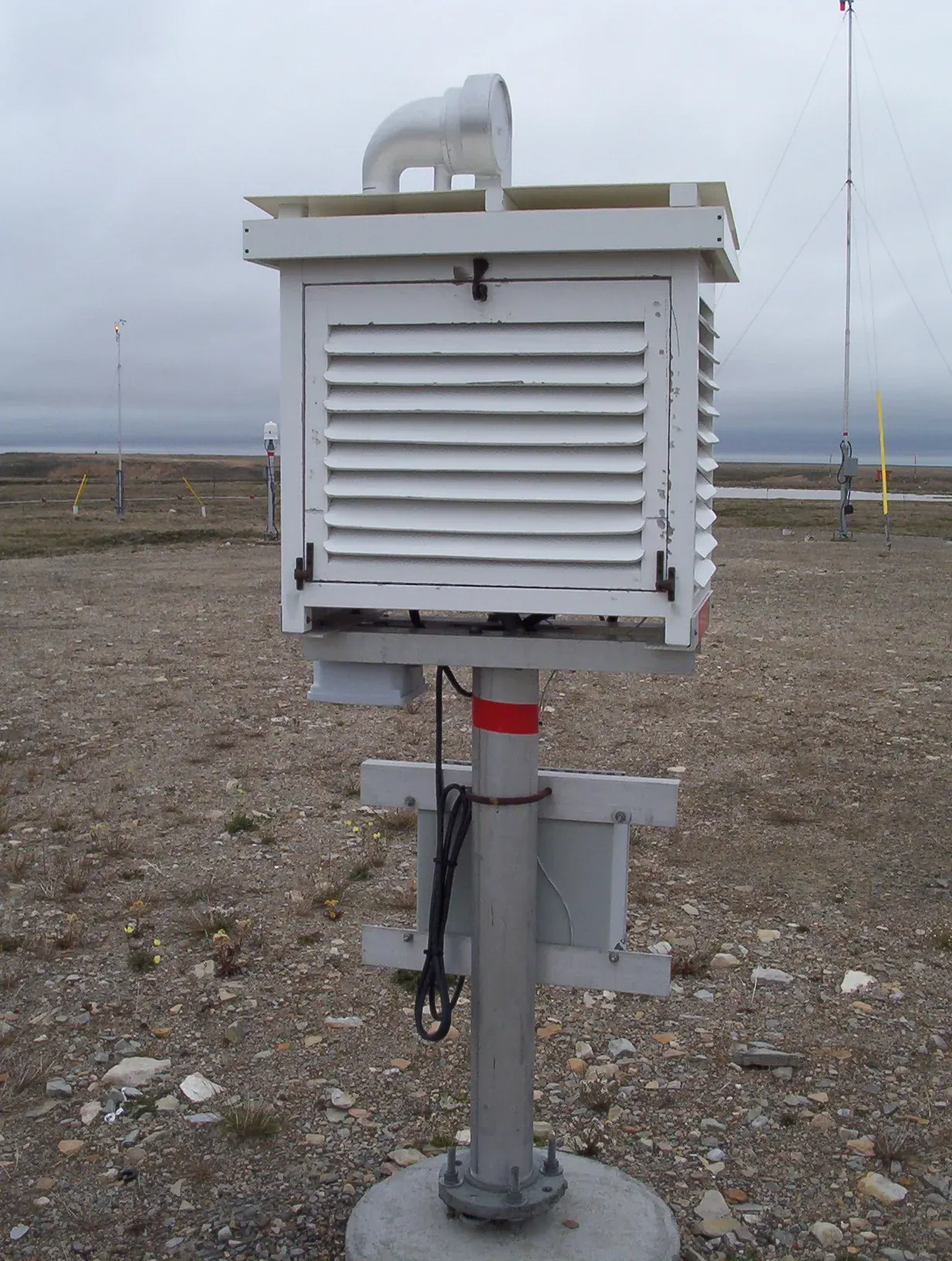
The sequel is tidy: the machines moved into the keepers' old posts. Beginning in the early 1980s, NOAA's National Data Buoy Center established the Coastal-Marine Automated Network, installing roughly fifty C-MAN stations on lighthouses, capes, beaches, near-shore islands and offshore platforms to feed the National Weather Service — measuring wind, gusts, barometric pressure and air temperature from precisely the headlands where keepers had once written their columns by hand. The lighthouse-as-weather-station did not end with automation; it was instrumented. What ended was the human observer, whose departure is the subject of automation and the last keepers.
Do not infer a dataset from an archive description
A national archive's acceptance of handwritten weather records does not establish that a particular keeper's volume appears in a particular climate dataset. A repository description and a dataset's source inventory establish different things. To establish it, identify the station series, observation dates and the dataset's source documentation.
NOAA's C-MAN metadata describes an automated coastal network established in the early 1980s, including sites on lighthouses and other platforms. It does not establish that every automated sensor continued a keeper's instrument at the same height and exposure. The change of method needs a record of its own.
Two entries that look alike can measure different things
In a hypothetical transcription, one column says the fog signal operated while another gives visibility at a scheduled hour. The first is an equipment-use record; the second is an observation under a stated method. A period of operation cannot automatically be converted into a count of hours of meteorological fog without checking the operating rule and the coverage of the log.
For each series, preserve units, observation times, missing entries and known instrument or exposure changes. Leave a blank as missing rather than converting it to zero. That makes the historical record more useful for later analysis and avoids manufacturing a smooth climate trend from irregular operational notes.
The National Archives' lighthouse-log inventory can identify surviving volumes and date coverage. It is a finding aid, not proof that every page has been digitized or that every volume uses identical weather columns. Begin with the actual record before describing what its observations can support.