A light characteristic describes an appearance repeated over time: flashes, eclipses, groups and a period, often with a color. It helps an observer compare a sighting with the expected aid. It is not a complete position fix or a guarantee that every flash will be visible in every condition.
Read the notation in parts
Take the teaching example Fl W 10s. Fl identifies a flashing appearance, W indicates white and 10s gives the repeat period. It does not say that the light remains illuminated for ten seconds. The flash occupies part of the period; the full cycle includes the interval before the corresponding next flash.
A group count adds another piece. In Fl(2) W 10s, the character includes two flashes within each repeating group. The notation does not, on its own, give every flash and dark interval. Use the publication's detailed description or diagram where the timing of individual components matters.
A ten-second example you can check
Imagine a white light on for one second, then dark for nine seconds, repeating. The total is ten seconds. Now imagine two half-second flashes separated by one second of darkness, followed by eight seconds of darkness. That also totals ten seconds: 0.5 + 1 + 0.5 + 8. These are deliberately invented timing examples, not a specification for any named lighthouse.
The comparison shows why period and group count are different. Both cycles repeat in ten seconds, but the visible patterns differ. Start the timing at the same point in successive cycles. Counting from the end of one flash to the start of the next can measure only a dark interval rather than the full period.
Fixed, flashing, occulting and isophase
A fixed light has a steady appearance. In a flashing light, the light intervals are shorter than the dark intervals in the cycle; in an occulting light, the predominance is reversed. Isophase describes equal light and dark durations. These descriptions introduce the classes, rather than reproduce every numerical design rule in IALA's recommendations.
A long flash is a particular flashing category, not any light that happens to look slow from a distance. Quick and very quick characters also belong to defined conventions. Before assigning a detailed rate or an allowed maximum period, consult the relevant edition instead of extrapolating from a familiar station.
The machinery does not have to look like the rhythm
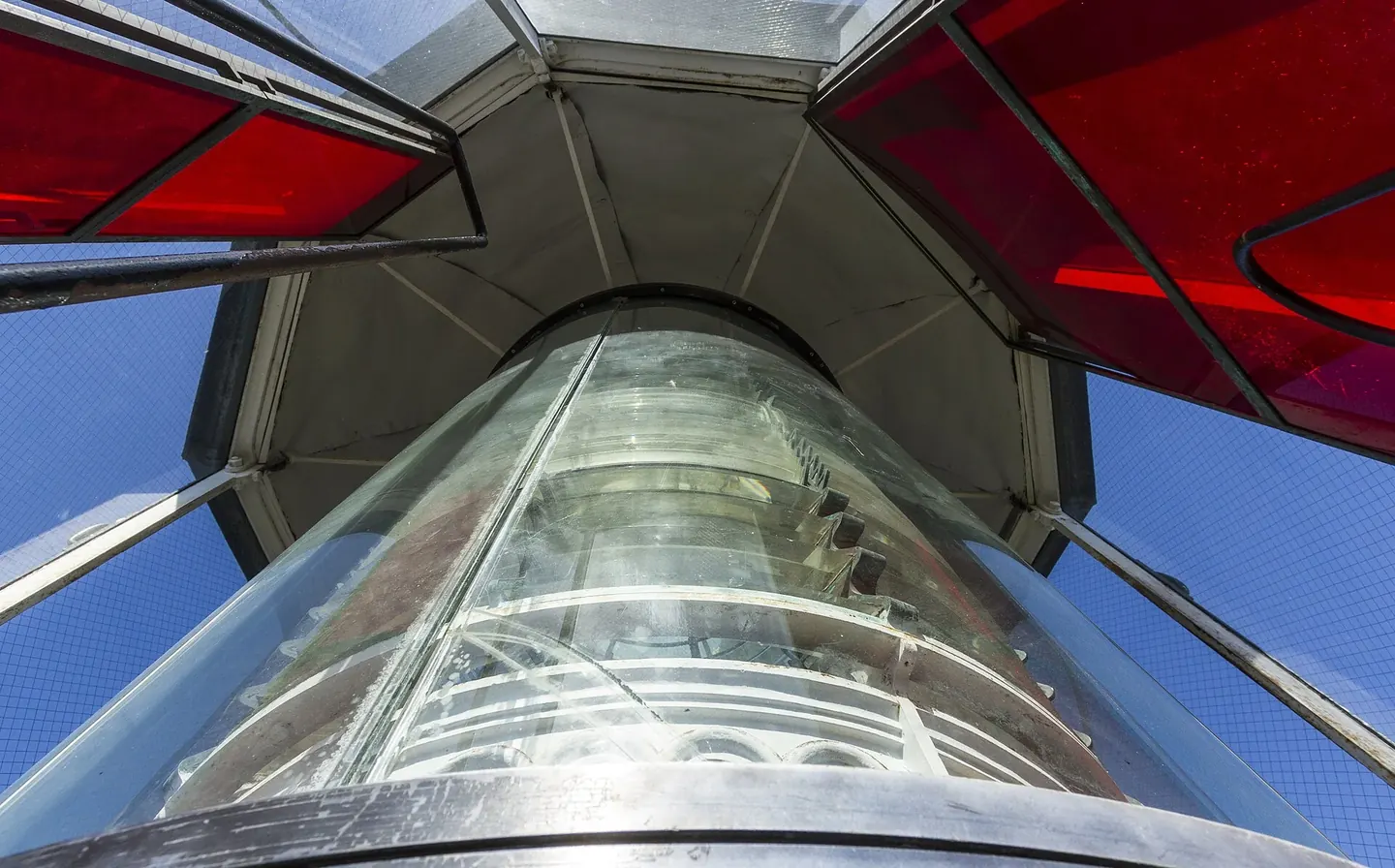
A revolving optic can sweep beams past an observer while the source continues to burn. A switched source can produce a similar observed rhythm without rotating the historic glass. The characteristic describes the result at the observer's bearing, not a unique mechanical implementation.
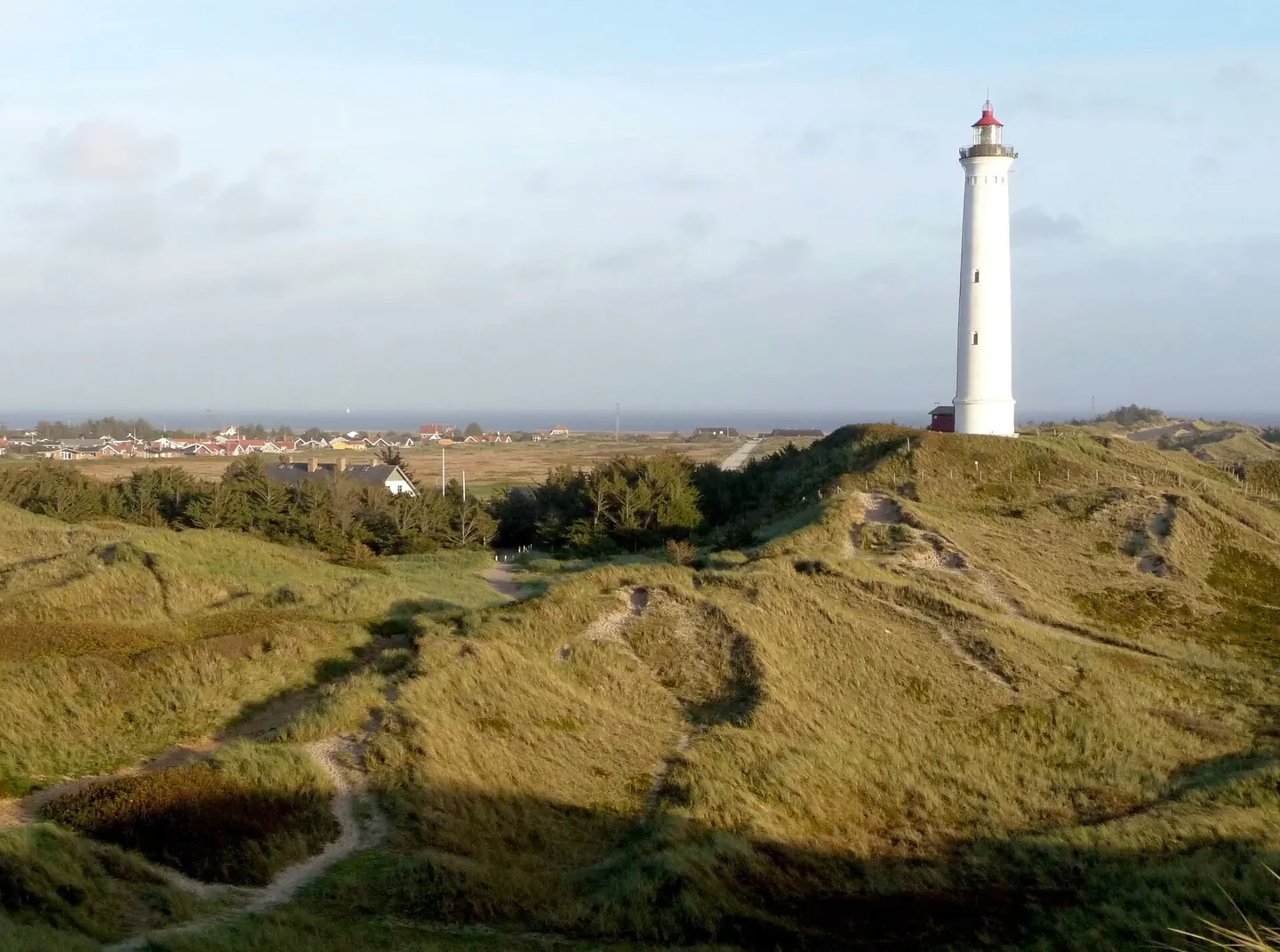
Berry Head supplies a documented example of equipment changing while the two-white-flash rhythm continued: Trinity House's 2019 project replaced the old arrangement with main and standby LED lanterns. The station's nominal range changed as part of that work. Keeping the rhythm and keeping every performance figure are therefore separate claims.
Color and bearing add context
The same station may show different colors in different sectors. Do not read a sector's color as a universal steering command. Its meaning depends on the published arrangement and surrounding hazards. The sector-light guide examines that directional question separately.
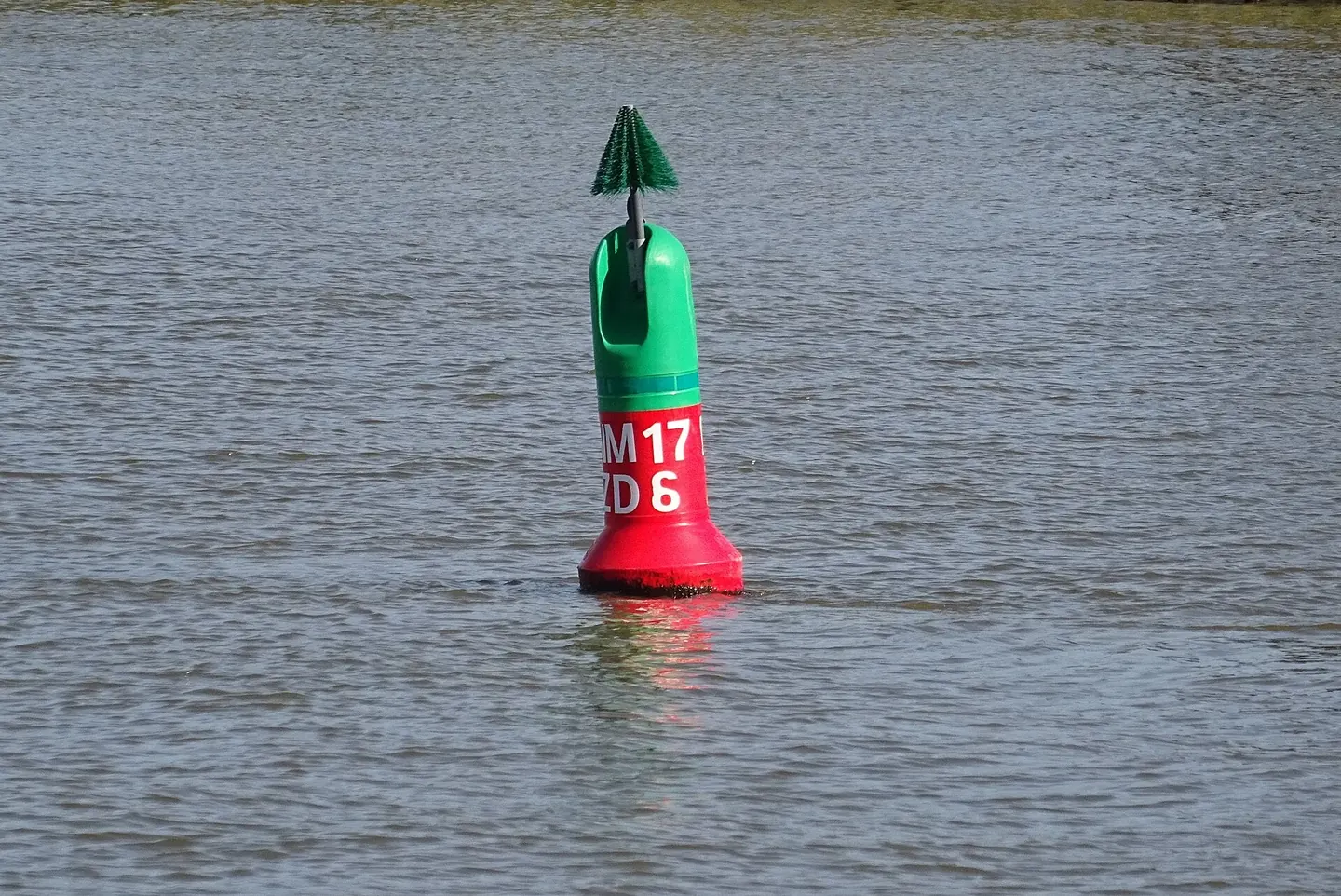
Buoyage rules can assign particular colors and rhythms to mark types, but the region, conventional direction and mark category must be established first. A notation remembered from one context should not be used to identify every white light with two flashes as the same kind of aid.
Build a timing strip with a fixed origin
On a strip marked from zero to ten seconds, draw the invented two-flash cycle above. Extend the strip for another ten seconds and copy the complete pattern, including the long dark interval. A reader should be able to identify corresponding points exactly ten seconds apart. If the second group begins early because only the short gap was copied, the drawing no longer represents the same period. This small check reveals a common mistake in animated demonstrations: repeating the visible flashes while omitting the final silence.
What can alter the observed appearance?
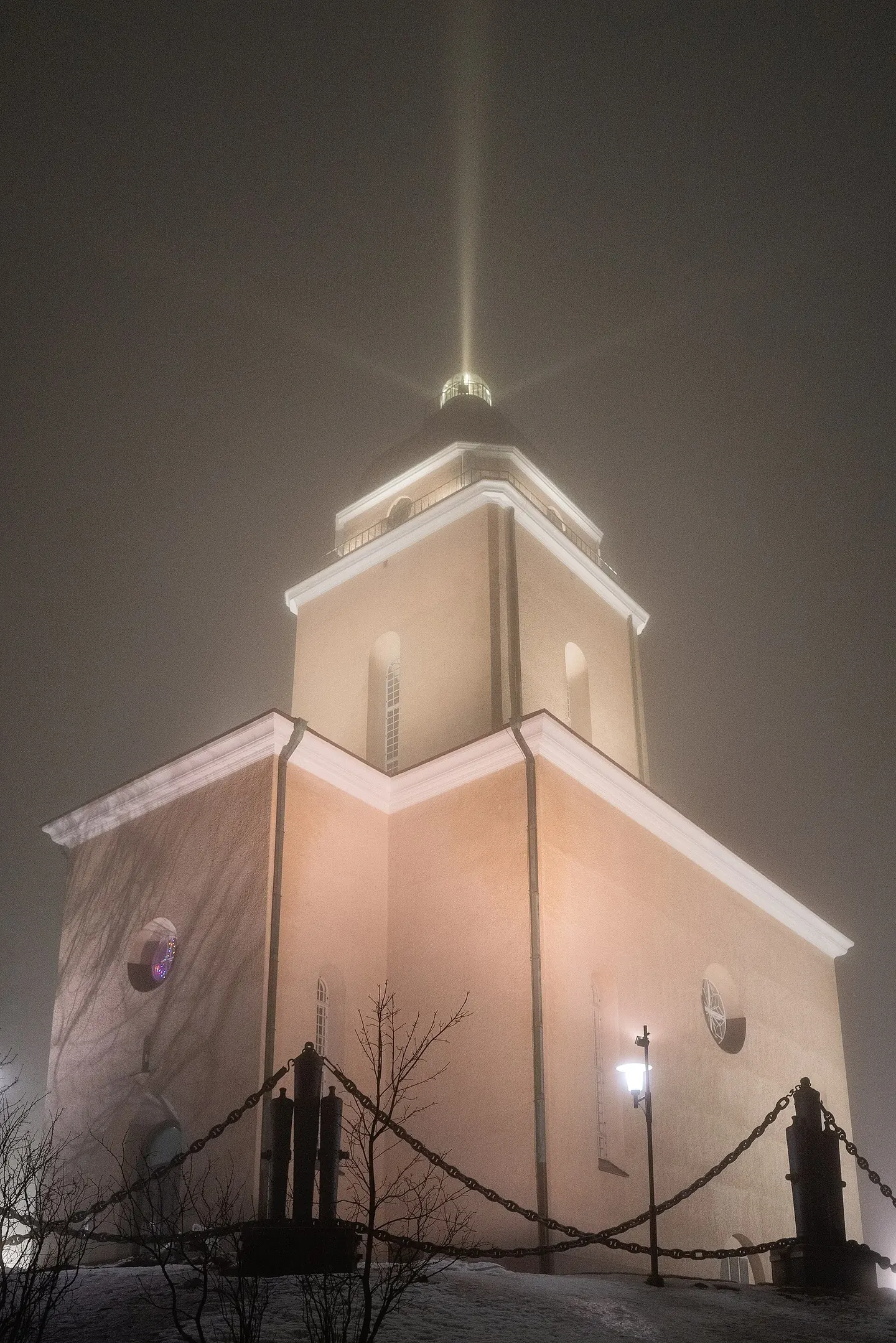
NOAA's Coast Pilot warns that shore lighting can make identification difficult and that ice or snow on lantern panes can reduce visibility or affect apparent color. A light may also be extinguished before a correction reaches the observer. Those limitations are reasons to compare current information, not to assume the published character is intentionally variable.
If an expected flash is missing, first distinguish the observation from its explanation. A vessel's motion or an obstruction might affect a sighting; an equipment fault is another possibility. One incomplete cycle cannot tell the whole story. A recorded sequence should state the time, bearing context and conditions rather than silently fill missing flashes.
U.S. Chart No. 1 is NOAA and NGA's guide to chart symbols and abbreviations. Read it alongside the current chart, light list and notices for the area. The educational goal here is to decode the notation and reproduce its arithmetic, while keeping identification, range and position as separate questions.