A rescue biography can explain what happened at a light station while still leaving much of its working life out of view. Ida Lewis at Lime Rock and Marcus Hanna at Cape Elizabeth are useful to compare because their stories involve different ways of reaching survivors. They also show why a celebrated name is not a complete account of the people involved.
Lewis: a rescue account and a later official appointment
Arlington National Cemetery's historical essay dates Lewis's widely publicized rescue of two soldiers to 29 March 1869. She rowed to the men after their boat capsized near Newport. Her mother had spotted them. The essay places Lewis's official appointment as keeper in 1879, a decade after that rescue, although she had already helped with lighthouse duties.
That ordering matters. Describing the 1869 event as the action of an already appointed keeper compresses family labor, official employment and later fame into a single role. The account also records a boy who died in the incident. A story focused entirely on the rescued men would conceal that loss.
The essay describes newspapers, pictures and commemorations that spread Lewis's reputation. Those are evidence for how a rescue became a public story. They are not a reason to treat every later retelling, dialogue or estimate of her lifetime rescues as equally secure.
Hanna: reaching the wreck from shore
The Coast Guard's chronology records Hanna's rescue of two men from the schooner Australia at Cape Elizabeth on 28 January 1885. Its longer historical account describes his wife Louise spotting the wreck, Hanna throwing a line toward the survivors, and an assistant seeking help. Additional hands helped haul the second man ashore when Hanna was exhausted.
The record separates two awards: the Gold Lifesaving Medal associated with the rescue, and a Medal of Honor associated with Hanna's Civil War service. Joining them into a single rescue decoration would change what the evidence says. The published Coast Guard narrative is a retrospective institutional history; it should be identified as such rather than presented as a newly discovered eyewitness transcript.
Compare the tasks before comparing the heroes
- How were survivors reached?
- Lewis's account centers on rowing out to an overturned boat. Hanna's centers on establishing a line between a wreck and shore. A boat and a throwing line solve different access problems.
- Who made the event visible?
- Both histories name a family member who noticed danger. Spotting a casualty is part of the sequence, even when a later headline concentrates on the person who made physical contact.
- What help appears in the record?
- Hanna's longer account explicitly includes an assistant and arriving help. That detail changes how the final recovery should be described.
- What is missing?
- These two narratives do not establish a typical rescue workload, the failure rate of attempted rescues or a standard equipment inventory for every station.
What an award record can establish
A named award can anchor a person, an event and an official act of recognition. It does not automatically validate every detail added by later biographies. A sound reading keeps three layers apart: what the event account says, what the award recognizes, and what public commemoration subsequently emphasized.
For example, a medal's award year need not be the year of every action for which its recipient became famous. Likewise, the number of people rescued in one incident is not a lifetime total. Before repeating either number, tie it to its event and source. This discipline preserves the drama without inventing dialogue or turning a reported estimate into a count assembled from individual case files.
Where this leaves the keeper's job
These cases support a narrower and more useful conclusion than saying every lighthouse was a rescue station: particular people used the access, equipment and help available at particular places. They do not show that rescue arrangements were interchangeable along the coast. Nor does an exceptional action describe the normal rhythm of lamp maintenance, watches and supplies.
Read the keeper's daily routine for that ordinary workload and women in lighthouse service for the employment question. Keeping those questions separate allows the rescue histories to be read alongside the employment record without turning either into a complete description of life at a station.
A careful caption for each episode
A caption for Lewis's famous rescue should identify the March 1869 incident and the two soldiers, while keeping her later appointment outside that sentence. A caption for Hanna should identify the schooner, January 1885 and the line recovery, without attaching his military decoration to that event. These small choices make the difference between an accurate shorthand and a compressed but misleading biography.
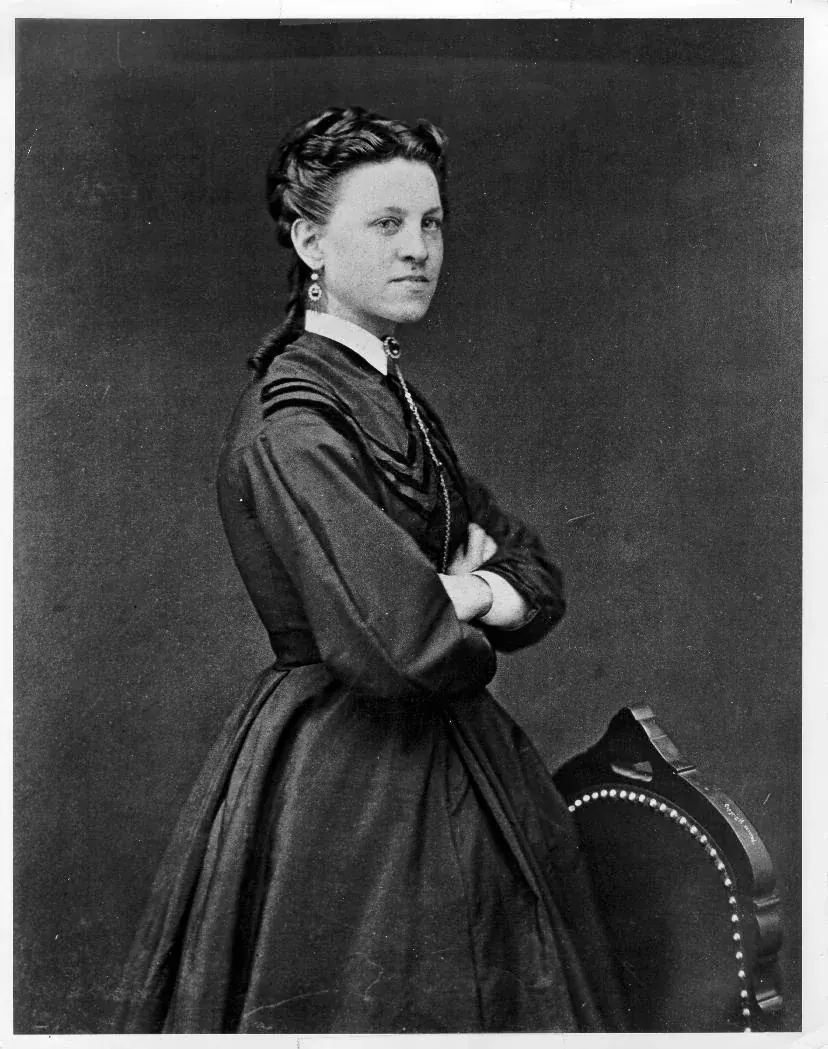
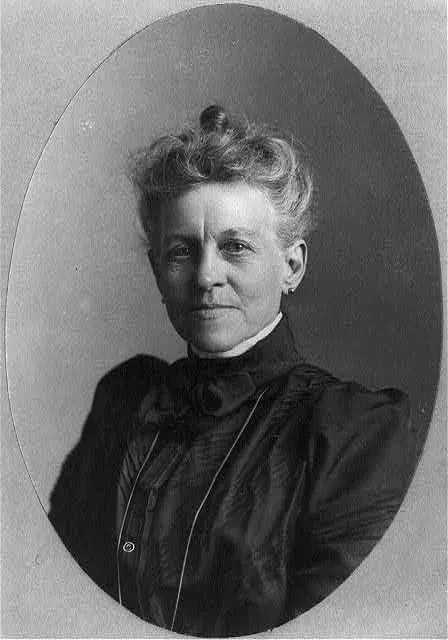
Images need their own dates too. A posed portrait with an oar can document public presentation without depicting the rescue itself. An illustration published after an incident may interpret a story rather than record a view witnessed by its artist. Unless the image record establishes otherwise, it should not be described as a photograph of the event.
This distinction also helps a reader ask a productive next question: is a particular detail found in the institutional history, the award record, a contemporary newspaper or a later commemorative image? The answer identifies what kind of evidence would be needed to challenge or refine it.